What an RCD is actually doing
A Residual Current Device compares the current going out to a circuit against the current coming back. In normal use those two figures match. The moment they don't. Because some of that current is escaping to earth through a damaged cable, a wet fitting, or a failing appliance. The RCD has found a leak it doesn't like the look of, and it disconnects the circuit in a fraction of a second. That's not a fault in the RCD. That's the RCD doing its one job: stopping a leak of current from turning into a shock.
So the tripping itself is rarely the problem worth chasing. The leak is. Every diagnosis starts from that point.
The most common causes, roughly in order
- A failing appliance. Washing machines, dishwashers, immersion heaters and older fridge-freezers are the usual suspects. Heating elements and motor windings degrade with age and leak a little more current to earth every year, until one day they tip an RCD over its 30 mA threshold.
- Water ingress. An outside light, a garden socket, a garage or shed supply, or a junction box in a cold loft or under a flat roof. Water finds its way into a joint or a fitting and gives current somewhere to go that isn't back down the circuit.
- A damaged cable. A nail or screw through a cable behind plasterboard, rodent damage in a loft, or simple age-related deterioration of the insulation, all create a path to earth that shouldn't exist.
- Cumulative leakage. Every appliance leaks a tiny, harmless amount of current to earth as standard. It's built into the design tolerances. On an older property with a lot plugged in, those small amounts can add up close to the RCD's threshold, so it takes very little extra (one more appliance, a slightly damp day) to push it over.
- The RCD itself. These devices can drift with age and become over-sensitive, tripping well under their rated current. If every circuit tests clean and it's still tripping, the device is the next suspect.
Warning signs worth taking seriously
An RCD that trips occasionally and resets cleanly is usually a nuisance fault worth investigating in its own time. A few signs mean it's more urgent than that:
- It trips immediately every time you reset it, with nothing switched on.
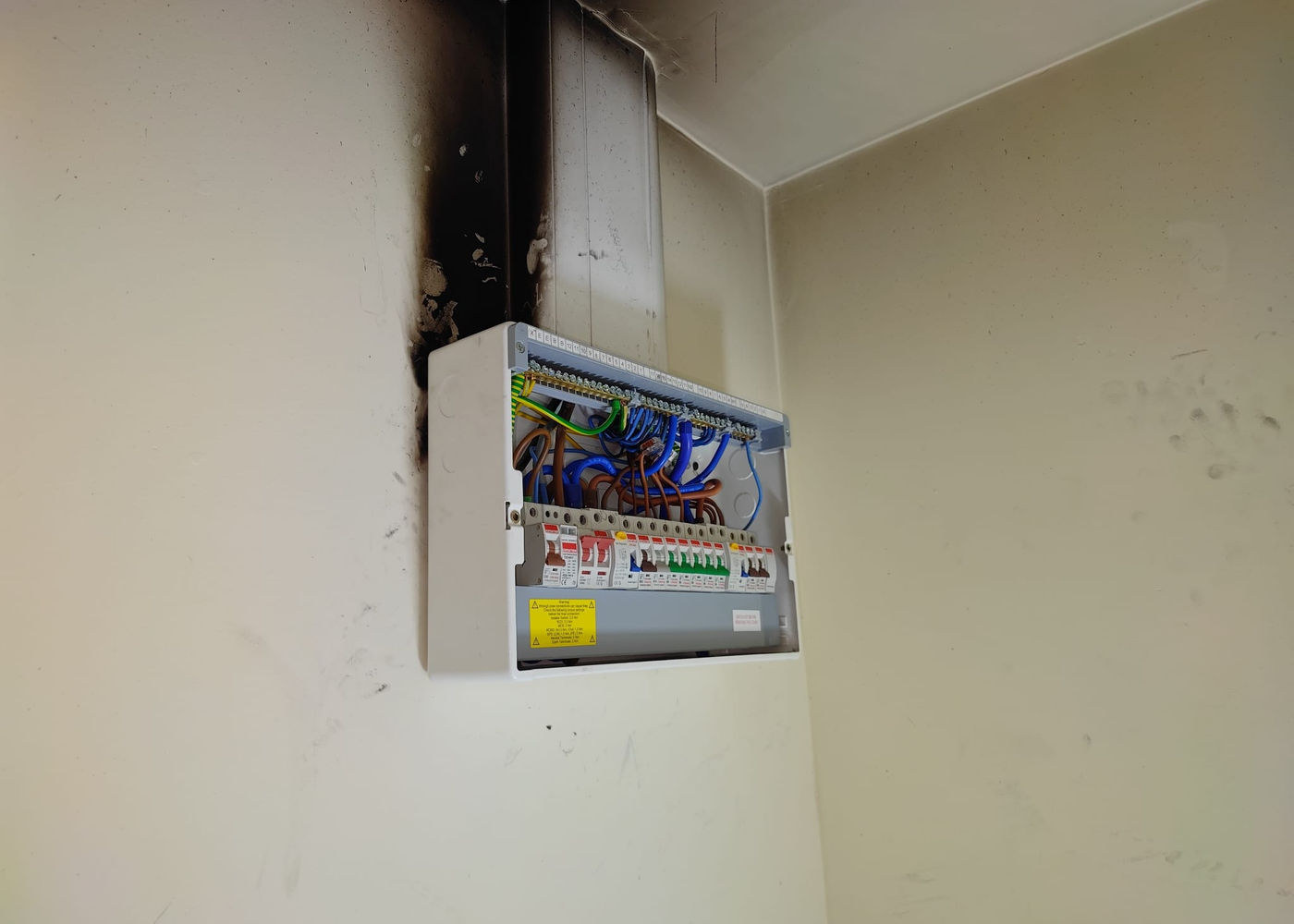
- You can smell burning or see scorch marks around a socket, switch or the consumer unit itself.
- The RCD, a socket or a switch feels warm or hot to the touch.
- It's tripping more frequently than it used to, over days or weeks.
- It started right after water got somewhere it shouldn't. A leak, a flood, or heavy rain.
Any of those, stop testing and call. The rest of this page is for the ordinary, ongoing nuisance trip.
What's safe to try yourself
You can narrow this down considerably before anyone needs to visit, and it genuinely helps the diagnosis:
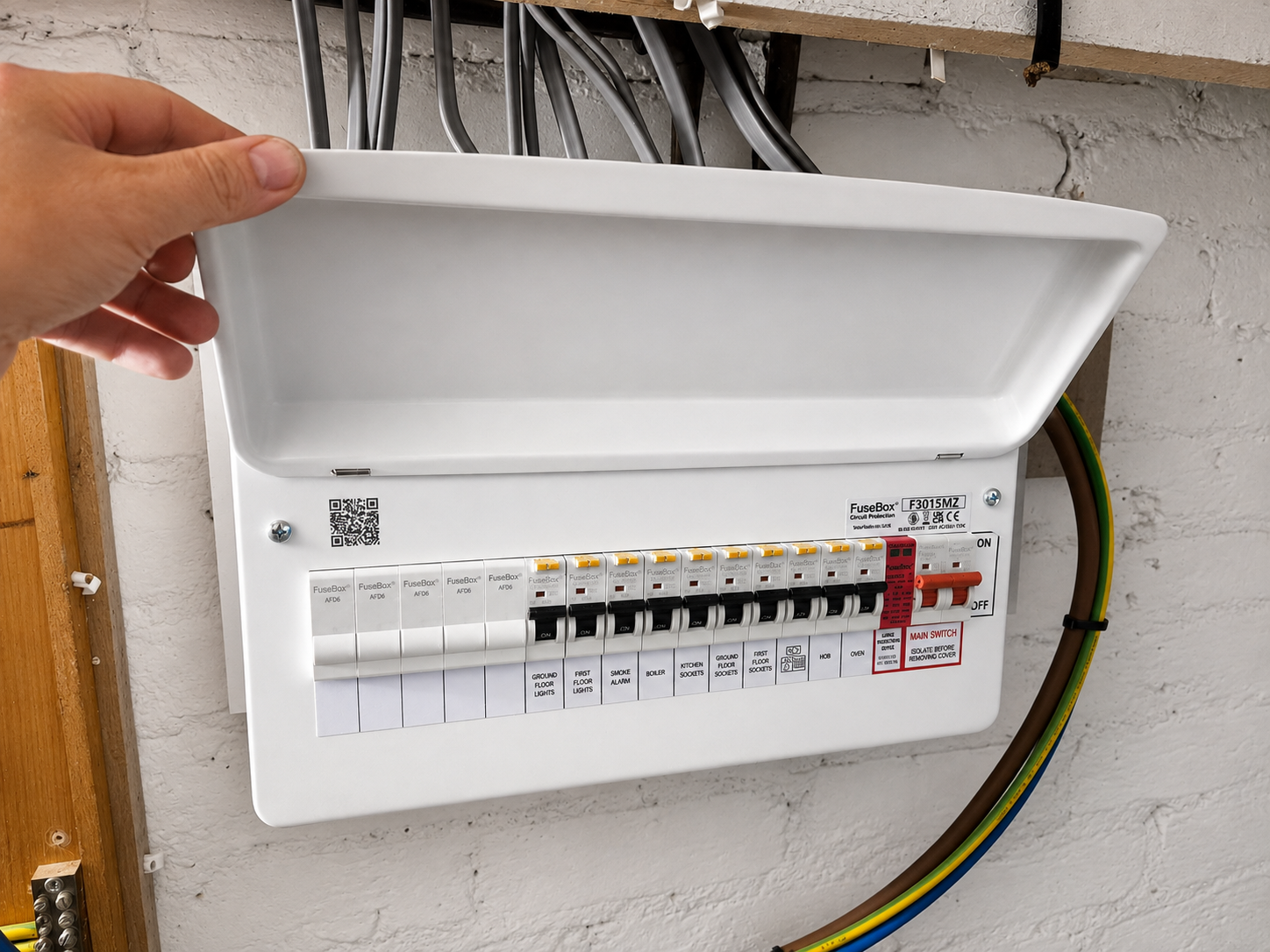
- Switch everything off at the consumer unit, then bring circuits back on one at a time, waiting a minute or two between each. Note which one trips it.
- Once you've found the circuit, unplug everything on it and try again. If it holds with nothing plugged in, you have an appliance fault, not a wiring fault. Reconnect items one at a time to find which one.
- If it trips again with nothing plugged in, that circuit's fixed wiring is the problem. Leave it switched off.
- Write down what was running, what time it happened, and whether it was raining. All three narrow the search significantly before an electrician even arrives.
What you shouldn't do: keep resetting a circuit that trips instantly and repeatedly, fit a bigger or different RCD to "solve" the tripping, or ignore it because it eventually resets. None of those address the leak, and the first can make a marginal fault worse by re-energising it repeatedly.
How we actually find it
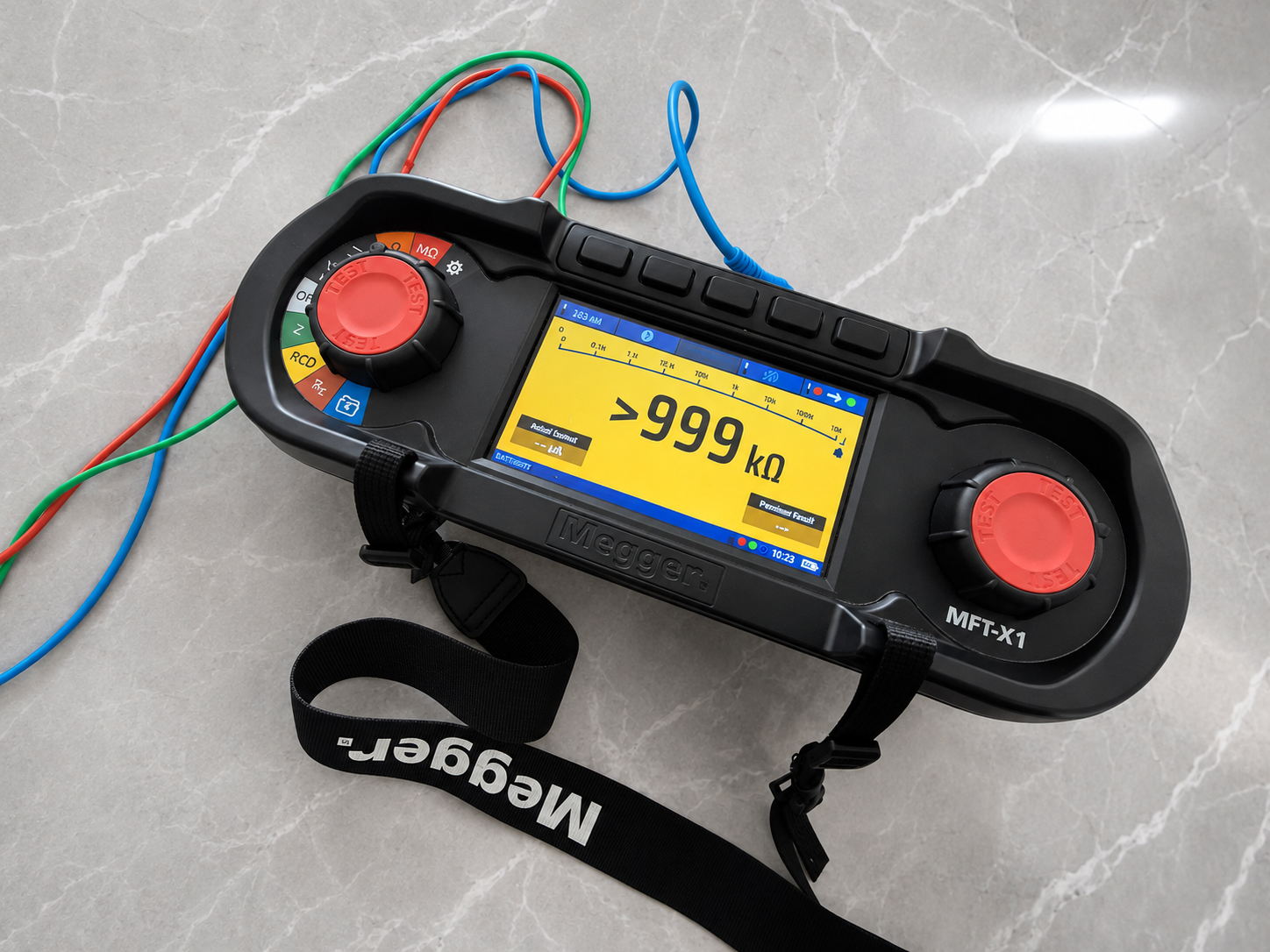
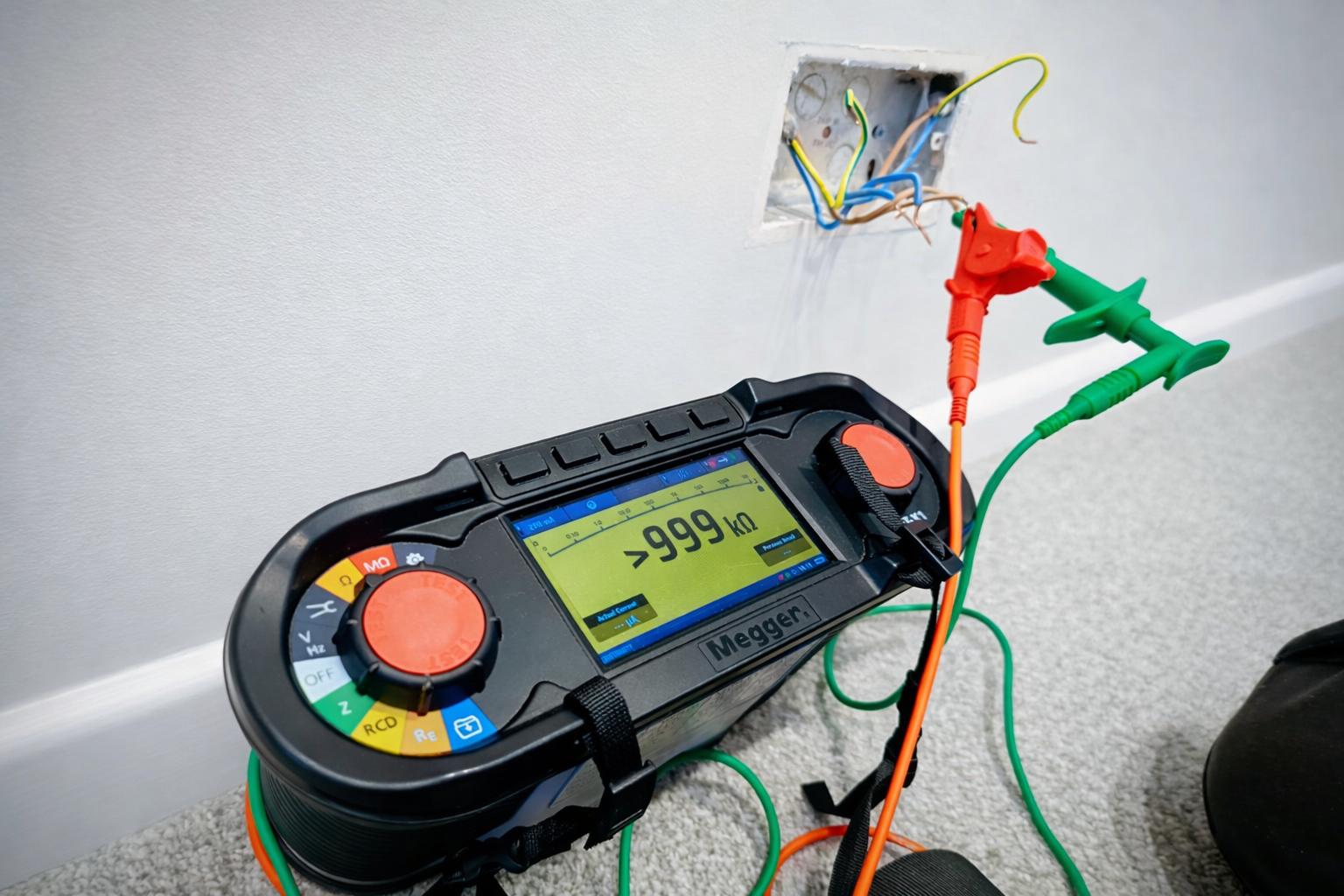
Testing beats guessing. We isolate each circuit and measure insulation resistance to locate leakage to earth precisely, rather than switching things on and off and hoping. We time the RCD itself at both half and full rated current to confirm it's tripping within its required window. If the device has drifted out of specification, no amount of circuit testing will find a fault, because the fault is the RCD. And we check loop impedance to confirm the circuit will disconnect fast enough if a real fault occurs in future.
The person doing that testing has a minimum of 18 years on the tools, is registered under Part P for notifiable work, and is insured. Every result is recorded and the completed work is certified to BS 7671, so you have a paper trail proving what was found and what was done about it.
Common Questions
Is it OK to just keep resetting the RCD?
Once, to see if it holds, that's a reasonable test. Repeatedly, no. If there's a genuine earth leakage fault, every reset re-energises it, and if the cause is a damaged cable or a wet fitting you're not fixing anything by pushing the switch back up, you're just delaying the next trip.
Why does my RCD only trip at night?
Almost always something running on a timer while the house is quiet. An immersion heater, storage heaters, or a fridge-freezer's automatic defrost cycle. A borderline earth leakage fault that's masked by other circuits during the day can tip an RCD over its threshold once those loads switch on alone.
My RCD trips only when it rains. What does that mean?
Water is getting into something on that circuit. An outside light fitting, a garage or shed supply, a junction box under a flat roof, or a garden socket. Moisture lets current leak to earth that shouldn't be there, and rainfall is the trigger. It won't fix itself and it's asking to get worse.
Can one faulty appliance trip an RCD covering the whole house?
Yes. A washing machine, dishwasher, immersion heater or an older fridge with a failing element can leak enough current to earth to trip a 30 mA RCD on its own, and every circuit sharing that RCD goes down with it. Unplugging appliances one at a time, waiting a minute between each, is a reasonable way to test this yourself.
Is a new RCD board an upgrade or just a repair?
Depends what's actually wrong. If the board is sound and one circuit has a fault, that circuit gets repaired and the existing board stays. If the RCD itself has drifted out of specification with age, or the board is an old fuse-wire or split-load type without individual RCBOs, replacing it is often the more permanent answer. We'll tell you honestly which situation you're in rather than default to the bigger job.