What the number actually means
It is measured from the moment the phone is answered to the moment an electrician is at your door. Not from when a job is allocated, and not from when someone finally sets off. Across most of East Sussex that lands between 30 and 90 minutes.
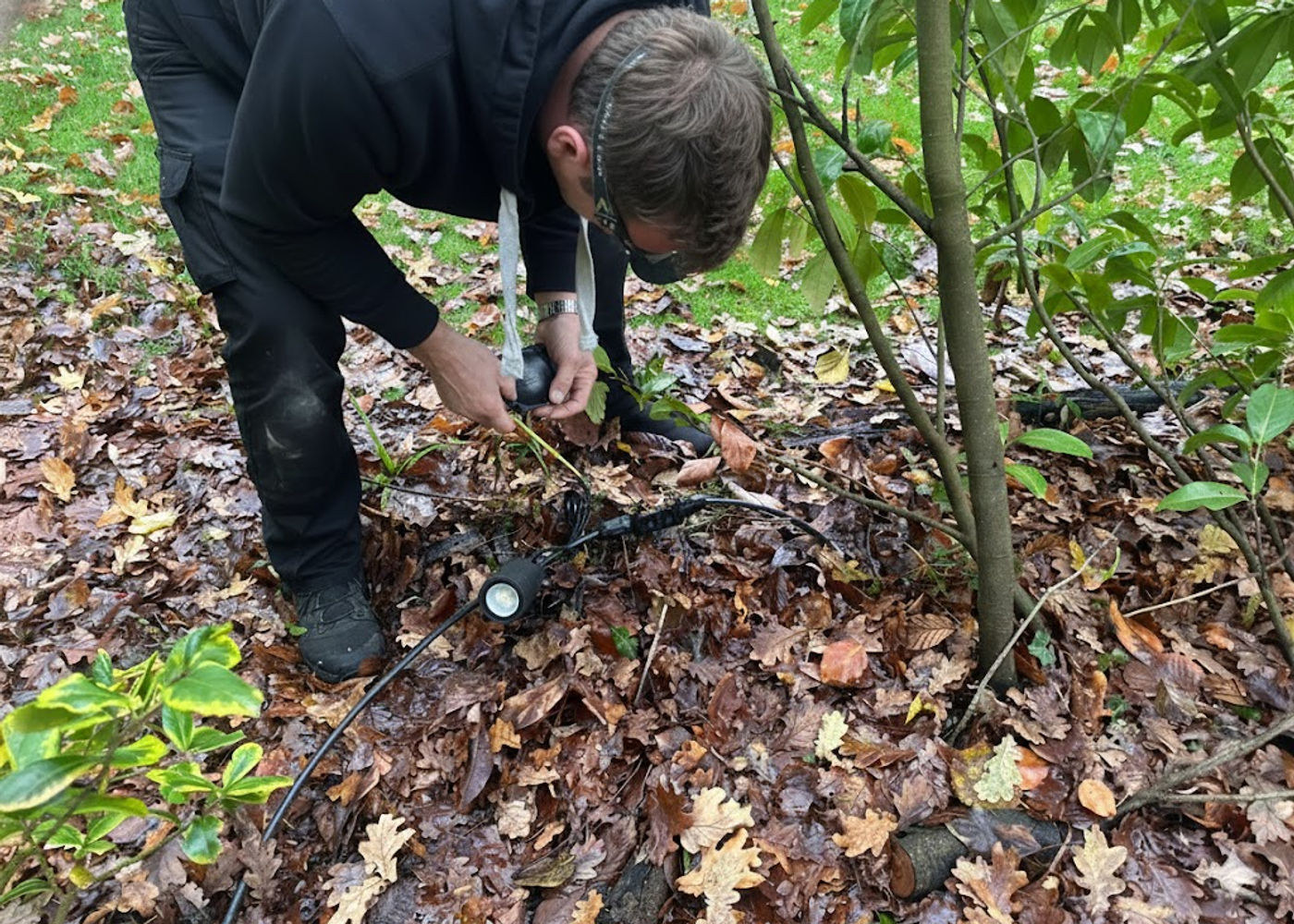
The spread is geography rather than effort. A call from central Brighton at nine in the evening sits at the fast end. A call from a farm outside Wadhurst in heavy rain sits at the slow end, and occasionally beyond it.
Whichever it is, you are told on the phone before you commit to anything. A realistic hour beats an optimistic twenty minutes that turns into two hours of watching the window.
Why we can hold to it
- Electricians spread across the county, not sitting in one depot. The one sent to you is the closest available, which is what makes the difference at three in the morning.
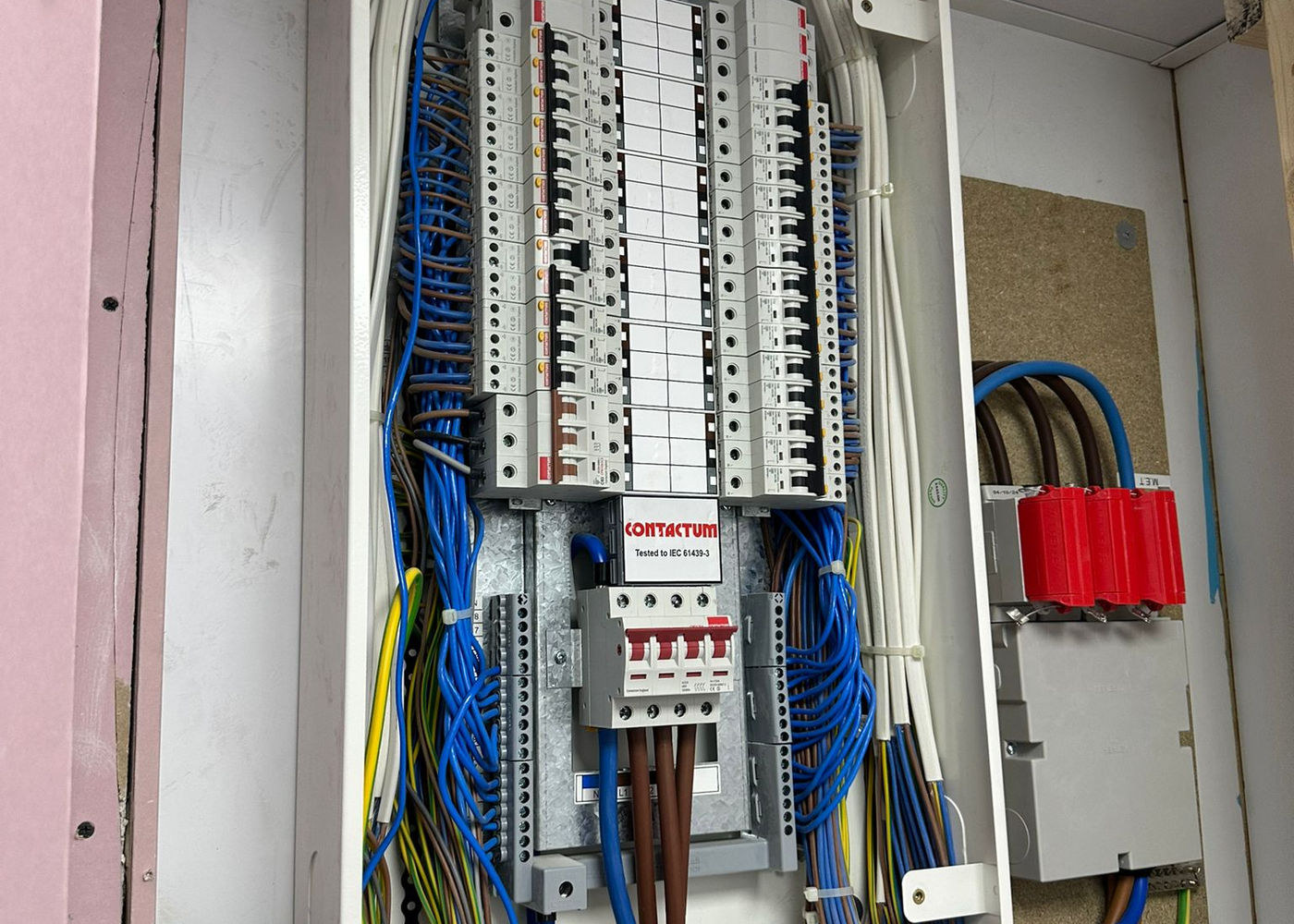
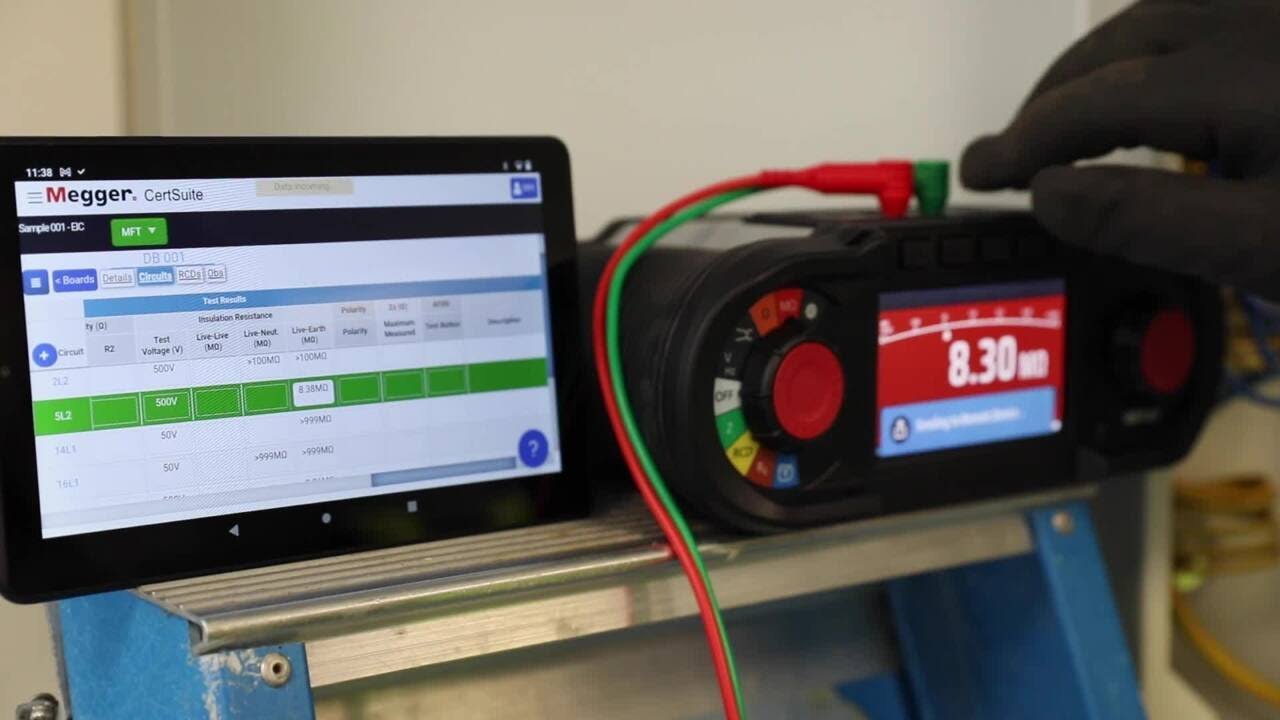
- A properly stocked van. Consumer units, RCBOs, breakers, cable, accessories and test instruments travel with the electrician. A second trip to a wholesaler that is shut is not a repair.
- No call centre. The phone is answered by a qualified electrician who can tell you what to isolate while you wait.
- One rota, all week. Nights, weekends and bank holidays run the same cover as a Tuesday afternoon, because electrical faults do not keep office hours.
What happens between the call and the knock
The first two minutes on the phone are diagnostic. What has stopped working, what you can smell, whether anything is warm to the touch, what the consumer unit looks like. That decides whether this is a make-safe-now visit or something that can safely wait for daylight.
If there is anything you can do yourself in the meantime. Switching a circuit off at the board, unplugging the appliance that keeps tripping it, keeping people away from a damaged accessory. You are told then, not afterwards.
You get a realistic arrival window before you hang up. If traffic or distance changes it, you get a call rather than silence.
When it will be longer
Storms are the obvious one. Wind and heavy rain produce a great many simultaneous calls across the county, and everyone's window stretches. The same applies to the far edges of coverage and to the small hours in genuinely remote postcodes.
In those conditions the honest answer is a longer window given up front. We would rather tell you ninety minutes and arrive in seventy than promise thirty and leave you waiting in the dark, wondering whether anyone is coming at all.