Signs yours is due for replacement
- Rewireable fuses. The ceramic carriers with fuse wire you replace by hand. If you've ever bought fuse wire, your board predates modern protection entirely.
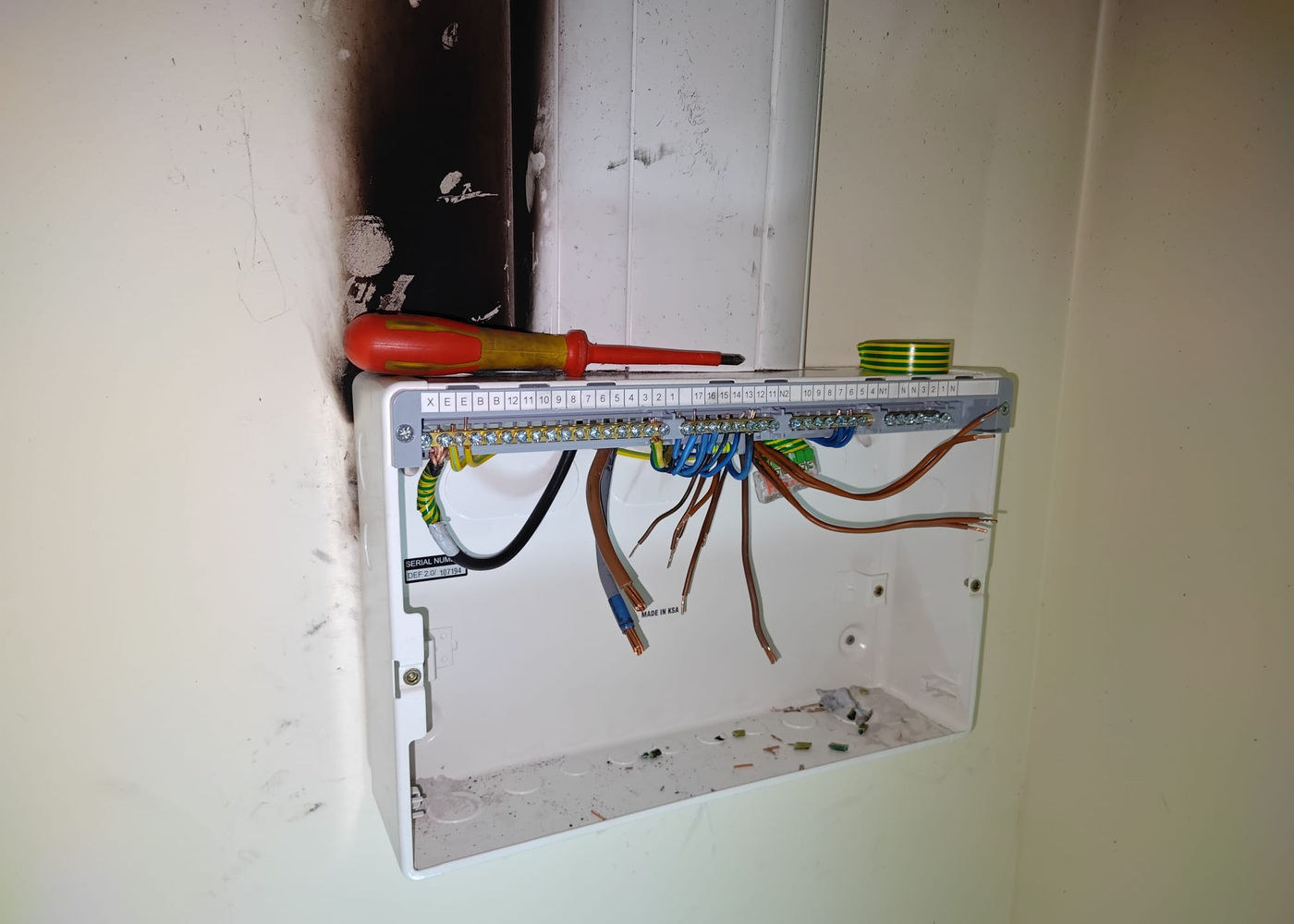
- A wooden back box, or a plastic enclosure in a house of multiple occupation. Since 2016 consumer units in domestic premises have had to be non-combustible, which in practice means steel.
- No RCD protection. If there's no wide device with a test button, you have no protection against electric shock from an earth fault.
- Cracked, scorched or discoloured casing, or a burning smell.
- Nuisance tripping that's got worse over the years. Sometimes the board itself, sometimes a sign of what's behind it.
- An unsatisfactory EICR where board-related items are driving the failure.
What we fit and why
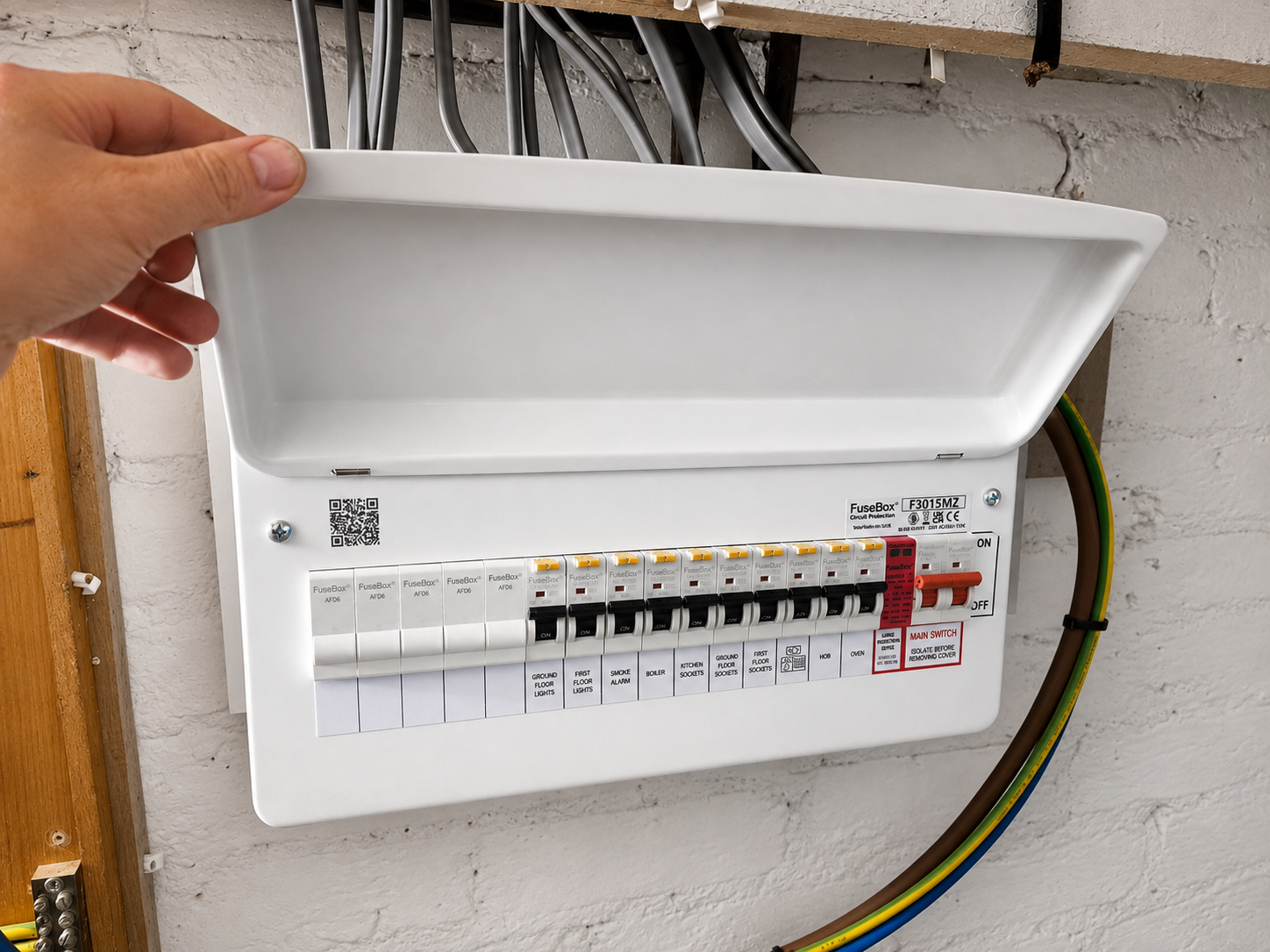
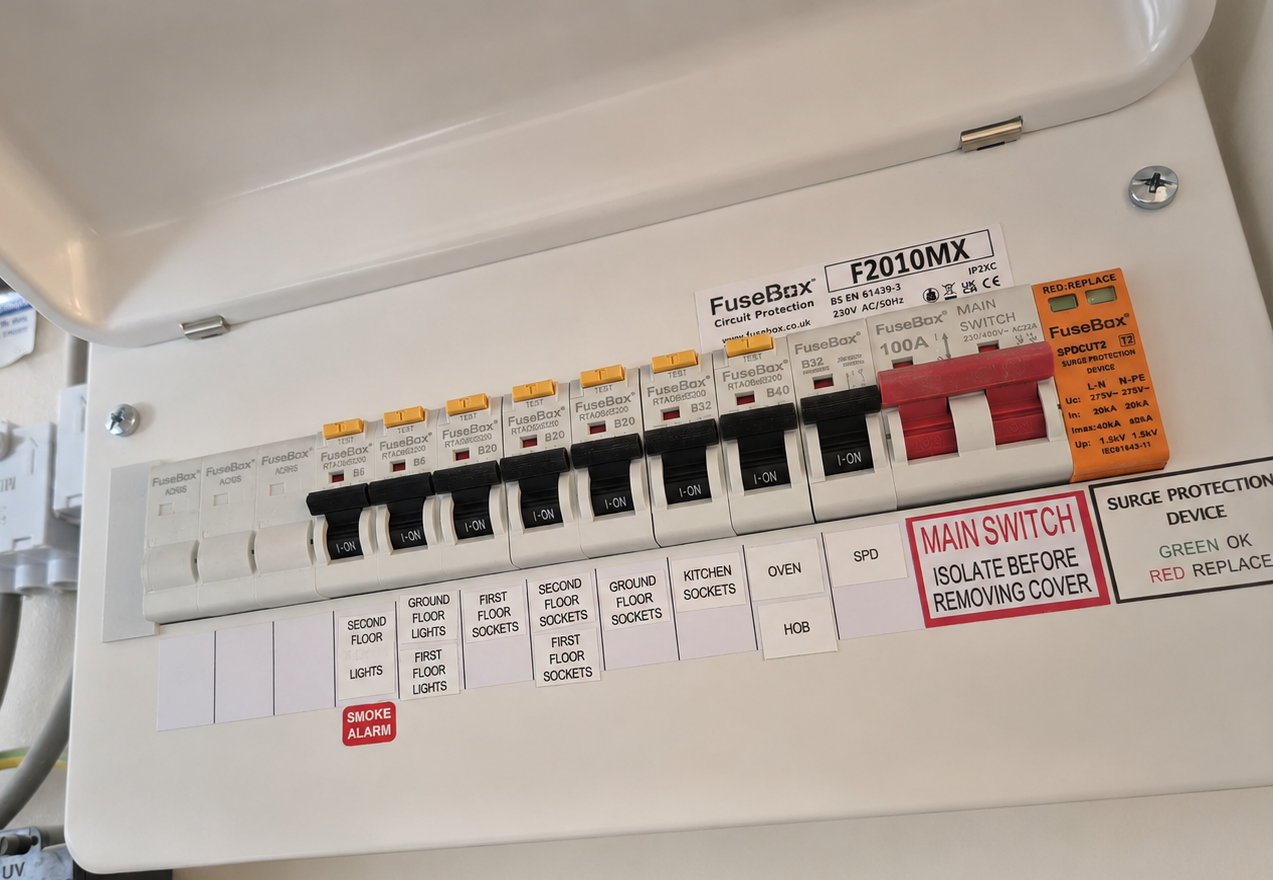
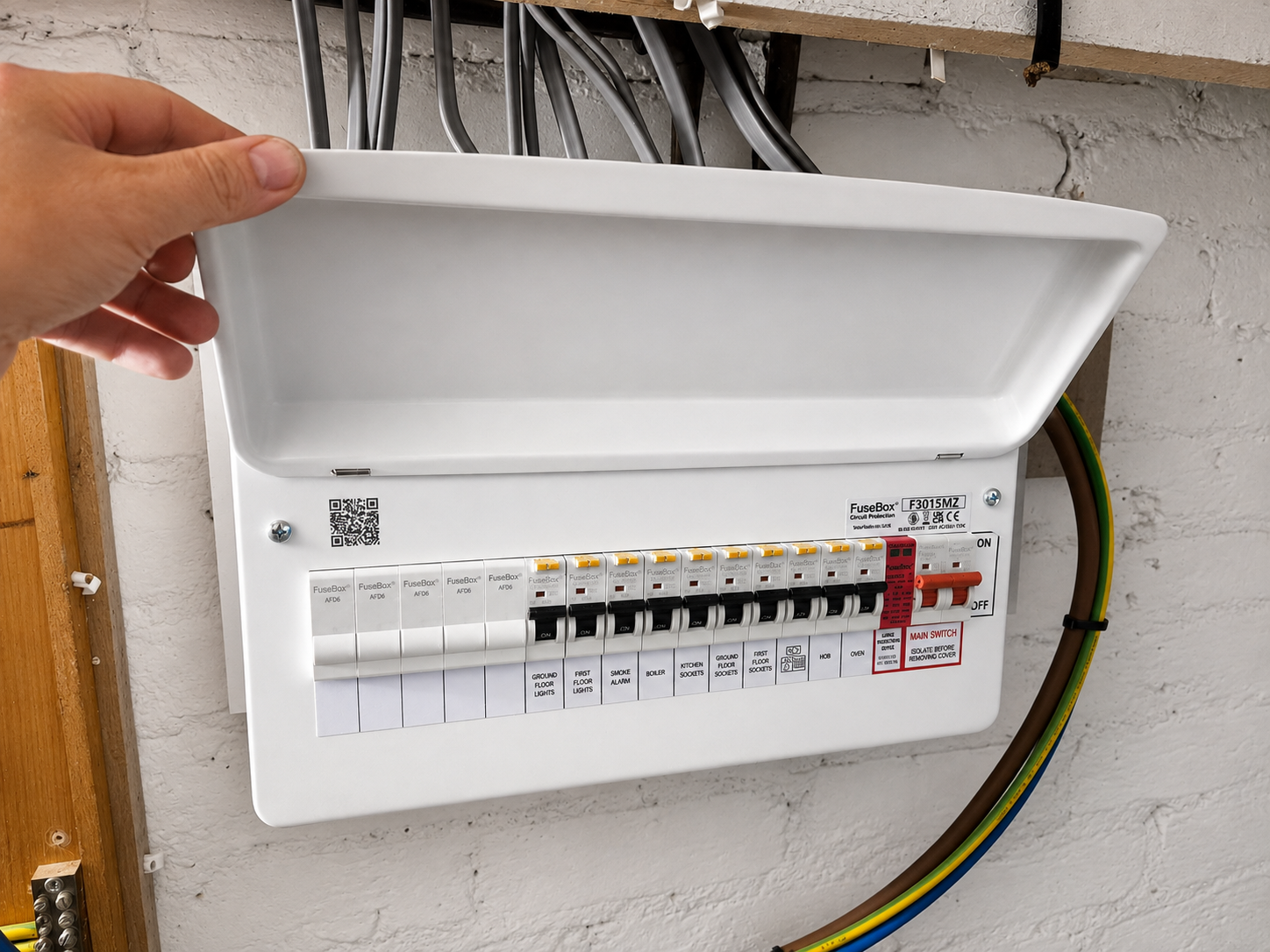
For most homes we recommend a metal RCBO board. One combined device per circuit rather than two RCDs shared across everything. It costs a little more than a split-load unit and it is worth it, for one simple reason: when a fault occurs, only the affected circuit goes off. No more losing upstairs lights and downstairs sockets because a dishwasher developed a leak.
Current regulations also mean most new boards include surge protection (SPD), which matters more than it used to now that houses are full of electronics, and increasingly AFDD arc fault detection on certain circuits. We'll explain what applies to your installation and what's optional rather than fitting everything by default.
What the job involves
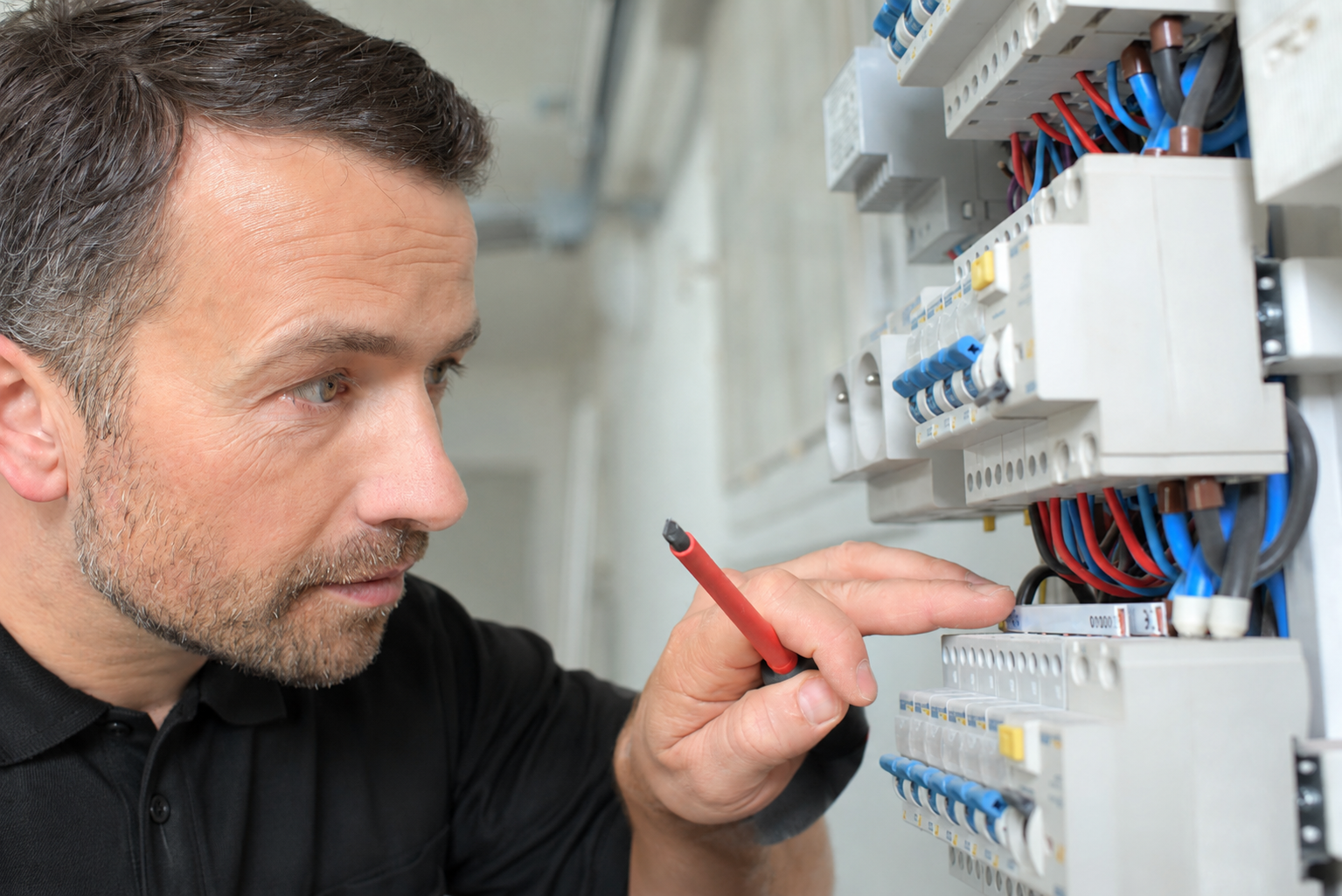
A replacement isn't simply swapping a box. Before we quote, we test the existing installation. Because fitting a modern RCD-protected board onto old wiring with poor insulation resistance simply reveals every fault at once, and you end up with a new board that won't stay on.
- Pre-installation testing of every existing circuit, so there are no surprises.
- Earthing and bonding checked and upgraded where needed. Main protective bonding to gas and water is one of the most commonly missing items we find.
- Isolation arranged with your distributor if the cut-out needs pulling.
- The new board fitted, circuits identified, terminated and labelled properly.
- Full testing and an Electrical Installation Certificate.
- Building control notification. A consumer unit change is notifiable work under Part P, and we handle it.
Expect the power to be off for a good part of the day. We'll tell you roughly when, so you can plan around the freezer and anyone working from home.
What affects the price
Number of circuits, the type of board, whether earthing and bonding need upgrading, whether the existing wiring passes its pre-tests, and access to the meter position. Older installations occasionally need remedial work before a new board can be signed off. We'd rather find that during testing and tell you upfront than halfway through the day.
A straightforward swap is usually quoted as a fixed price once we've seen the board, rather than left open-ended on the hourly rate. That visit itself is charged at our standard call-out. £50 in business hours or £95 outside them. With the fixed price for the board confirmed before we start. See our pricing page for the full structure.
How the board gets replaced properly
A consumer unit swap is not just a change of box. The existing installation is dead tested first, because fitting sensitive RCBO protection to circuits with pre-existing leakage simply moves the problem, and anything found is discussed with you before the new unit goes in.
The electrician carrying out the work has at least 18 years in the trade, is Part P registered and insured. Consumer unit replacement is notifiable work, and it is worth knowing who is signing it off as much as what is being fitted.
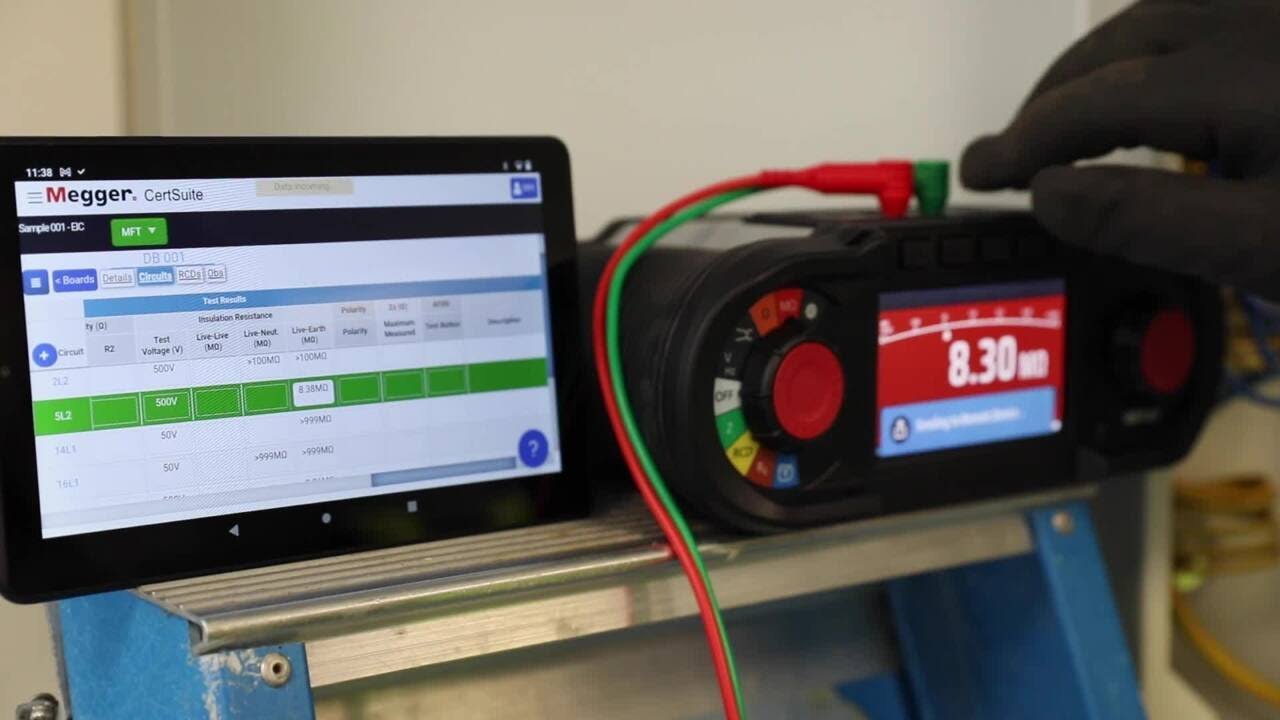
Once the new board is in, every circuit is tested again with calibrated multifunction instruments. Insulation resistance, continuity, polarity, loop impedance and RCD timing. The board is clearly labelled, and you receive full certification to BS 7671.
Common Questions
How long does a consumer unit replacement take?
A straightforward domestic change is usually a single day, including the testing and certification. Where earthing or bonding needs upgrading, or pre-testing turns up circuit faults, it can run longer. We'll tell you before we start rather than during.
Do I legally have to replace my old fuse box?
No. There's no law requiring you to upgrade simply because a board is old. But an installation with no RCD protection doesn't meet current standards, will attract observations on an EICR, and offers no protection against electric shock from an earth fault. For rented property, a board causing C1 or C2 observations has to be dealt with.
Will a new fuse box stop my tripping problem?
Sometimes, and sometimes it makes it more obvious. If the tripping is caused by a genuine fault on a circuit, a new board won't remove the fault. It will just isolate it more precisely. That's why we test before quoting.
What's an RCBO board and is it worth the extra?
It gives each circuit its own combined overload and earth-leakage protection. When something faults, you lose that circuit only rather than half the house. For the difference in cost, most customers think it's the single best upgrade in the job.
Is a consumer unit change notifiable?
Yes, it's notifiable work under Part P of the Building Regulations. We handle the notification and you receive the certification.
Can you replace it in an emergency?
Yes. Where a board has failed, burnt or been water-damaged we can replace it as an emergency job, subject to isolation being arranged. If a same-night full replacement isn't possible we'll make the installation safe and restore what we can until it is.