What ‘insured’ should mean
Public liability insurance covers damage caused by the work. The sort of thing that is rare, and expensive on the rare occasions it happens. It is worth asking any electrician to see, and worth being suspicious when the answer is vague or the subject changes.
Ours is current, and the certificate is available on request along with proof of registration. Ask before the work starts rather than after. A firm that hesitates over a straightforward question is telling you something useful.
What ‘guaranteed’ should mean
If something we installed fails because of how we installed it, we come back and put it right at no charge. That is the whole of it, and it does not require three paragraphs of conditions to say.
What it does not cover is the rest of the installation. If we replace a cooker circuit and a different circuit fails a month later, that is a new fault on old wiring rather than a warranty claim. And we will tell you so plainly at the time instead of arguing about it afterwards.
Certification is part of the job, not an extra
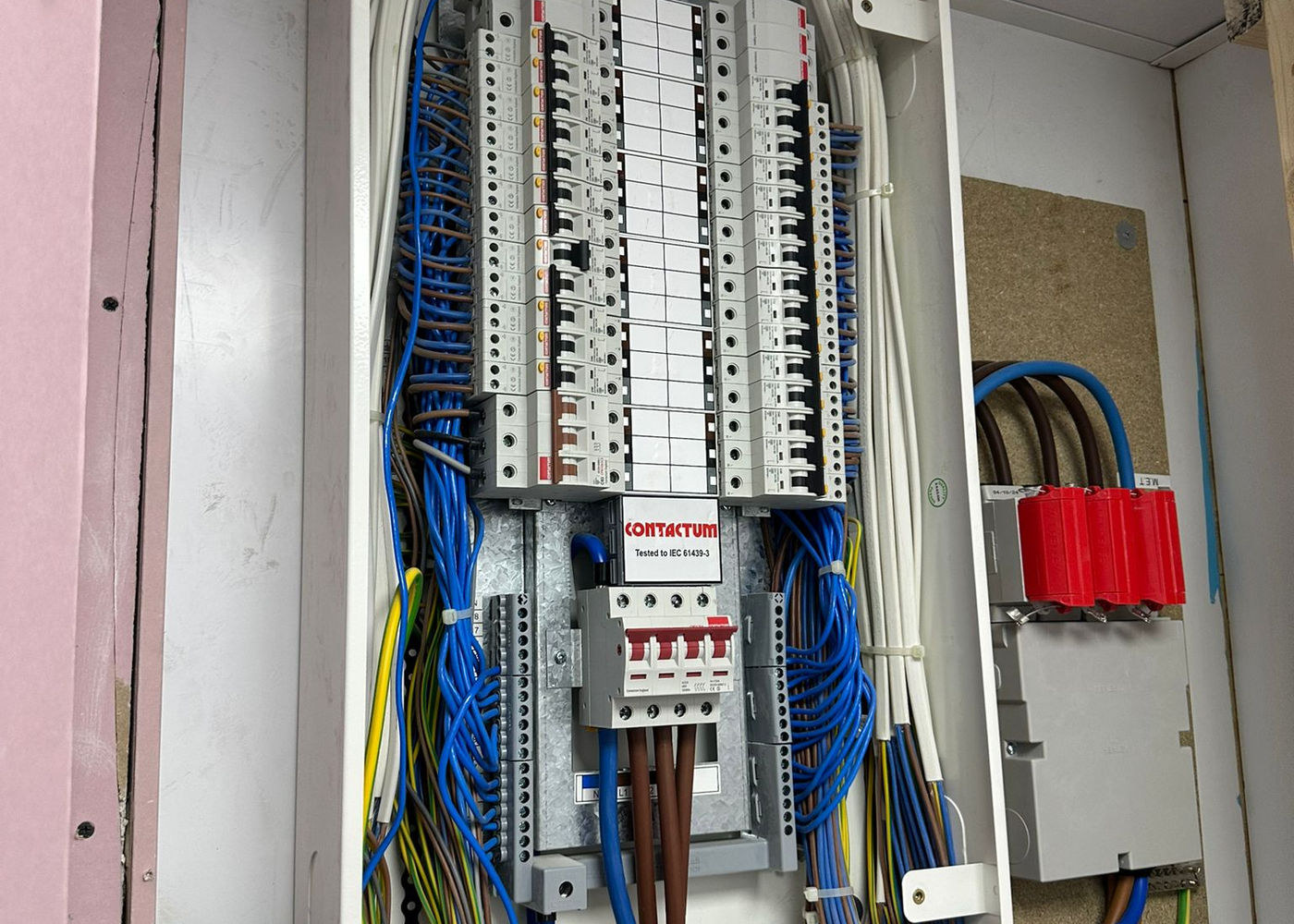
- Electrical Installation Certificate (EIC). Issued for new circuits and consumer unit replacements.
- Minor Electrical Installation Works Certificate. Issued for additions and alterations to an existing circuit.
- Electrical Installation Condition Report (EICR). The periodic inspection report, with observations coded by severity.
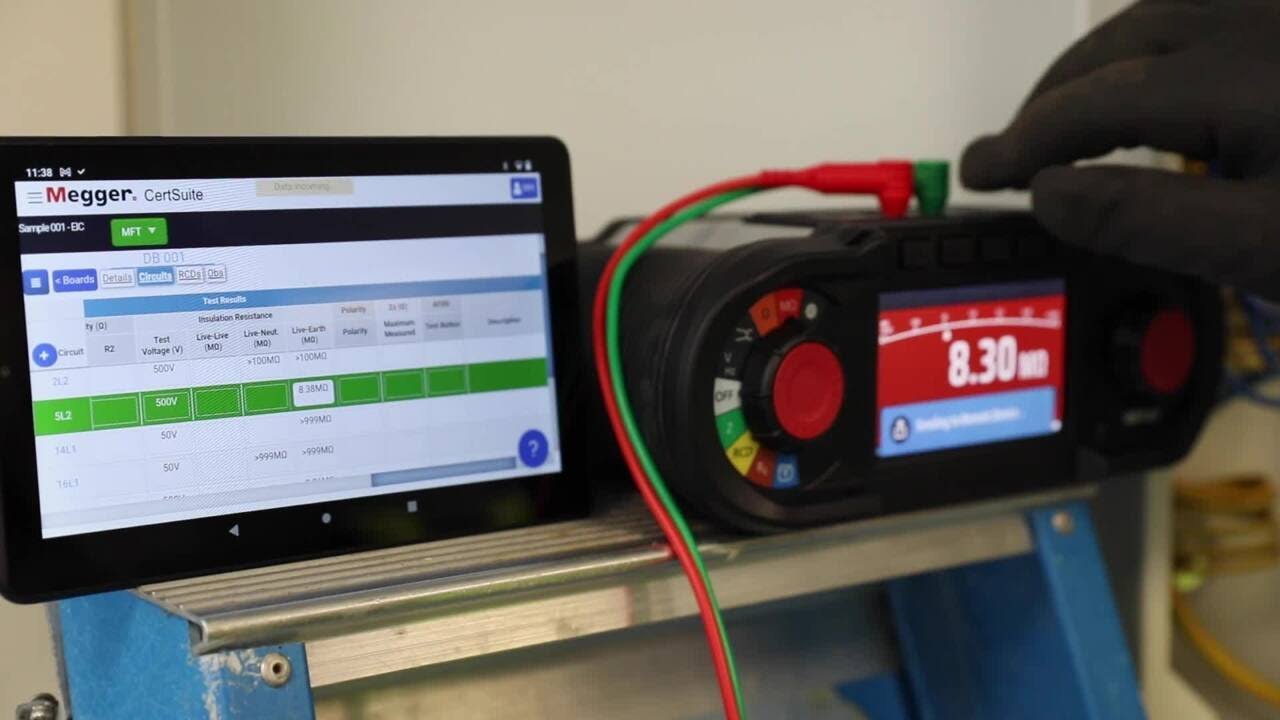
- Schedule of test results. The actual measured readings, not a tick in a box. This is the part worth keeping.
- Part P notification. Handled by us where the work is notifiable, rather than left as your problem to discover during a sale.
Questions worth asking any electrician
These are the five that separate a firm worth having from one worth avoiding, and none of them are rude to ask.
- Are you registered to notify Part P work, and with whom?
- Can I see your public liability certificate?
- What certificate will I be given when this is finished?
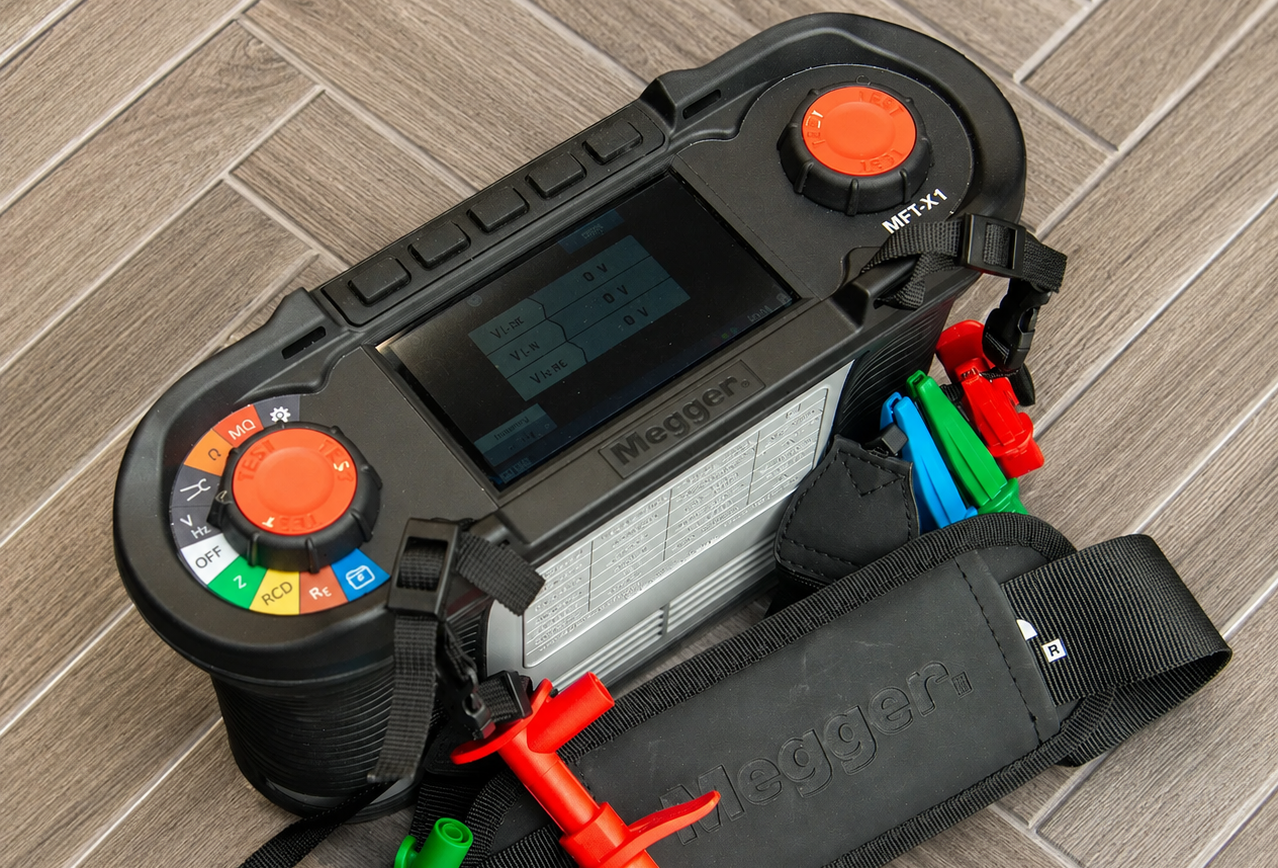
- Are your test instruments in calibration, and can I see the certificate?
- Is the person attending employed by you, or subcontracted?
- Ask us. Then ask the next firm the same five. The answers will tell you considerably more than any badge on a website.