What emergency rewiring actually means
Nobody rewires a house at two in the morning, and any firm offering to is selling something. What can be done at two in the morning is making the installation safe, isolating what has failed, restoring supply to everything that is sound, and getting you through the night with heating, lighting and a working fridge.
The permanent work then happens in daylight, planned, at a price agreed in advance. Splitting the job that way is both cheaper for you and safer than attempting everything at once by torchlight, and any electrician who has done this for long enough will tell you the same.
Circuits we replace
- Cooker and shower circuits. The highest-current circuits in most homes, and consequently the first place heat damage shows up at a connection.
- Ring final and radial socket circuits where cable has been damaged, buried without protection, or extended once too often.
- Lighting circuits on deteriorated rubber or lead-sheathed cable, where the insulation has aged past the point of repair.
- Immersion heater and boiler supplies, which tend to fail in the middle of the coldest week of the year.
- Outbuilding, garage and garden supplies where a buried cable has been cut by a spade, a fence post or a contractor.
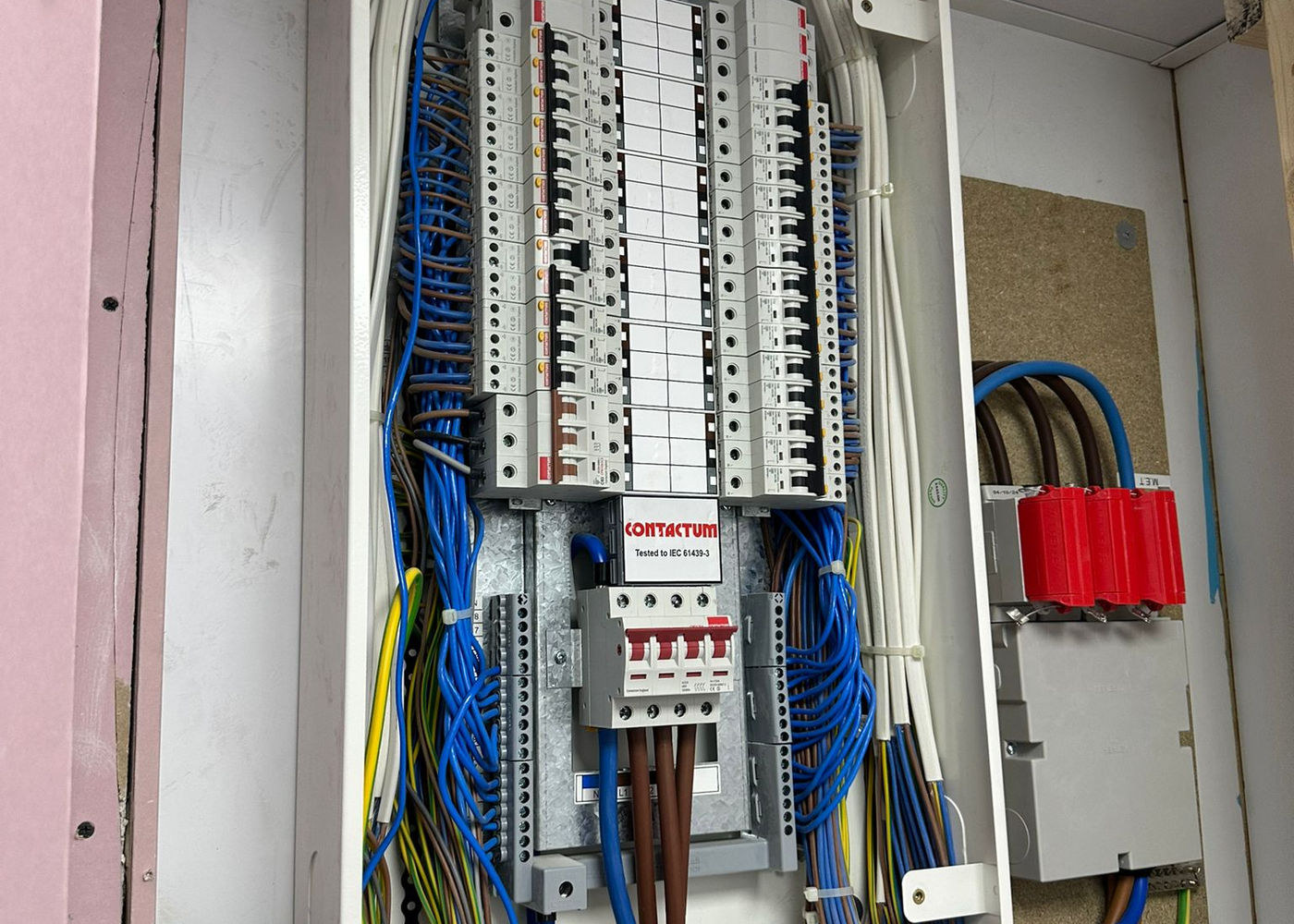
- Meter tails, main switch and consumer unit connections showing heat damage. The ones worth treating as urgent rather than tidying up next month.
How we make it safe first
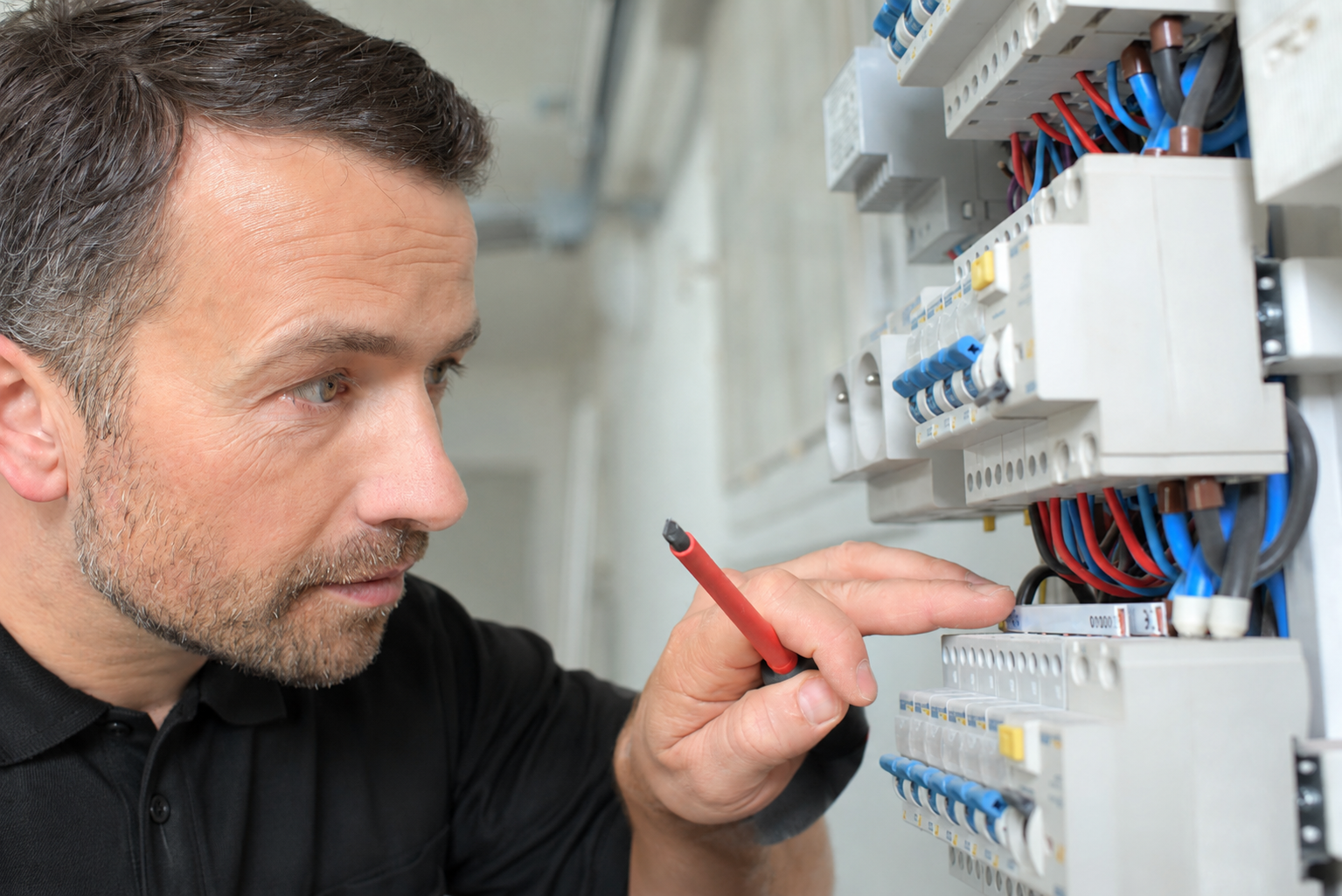
- Isolate and prove dead. Nothing is opened until the circuit is proved dead at the point of work, with a tester that has itself been proved before and after on a known source.
- Separate what works from what does not. There is rarely a good reason to leave a whole house dark because one circuit has failed.
- Replace rather than patch. Scorched accessories, heat-damaged cable and failed protective devices are replaced with compliant parts. A connection that has already run hot will run hot again.
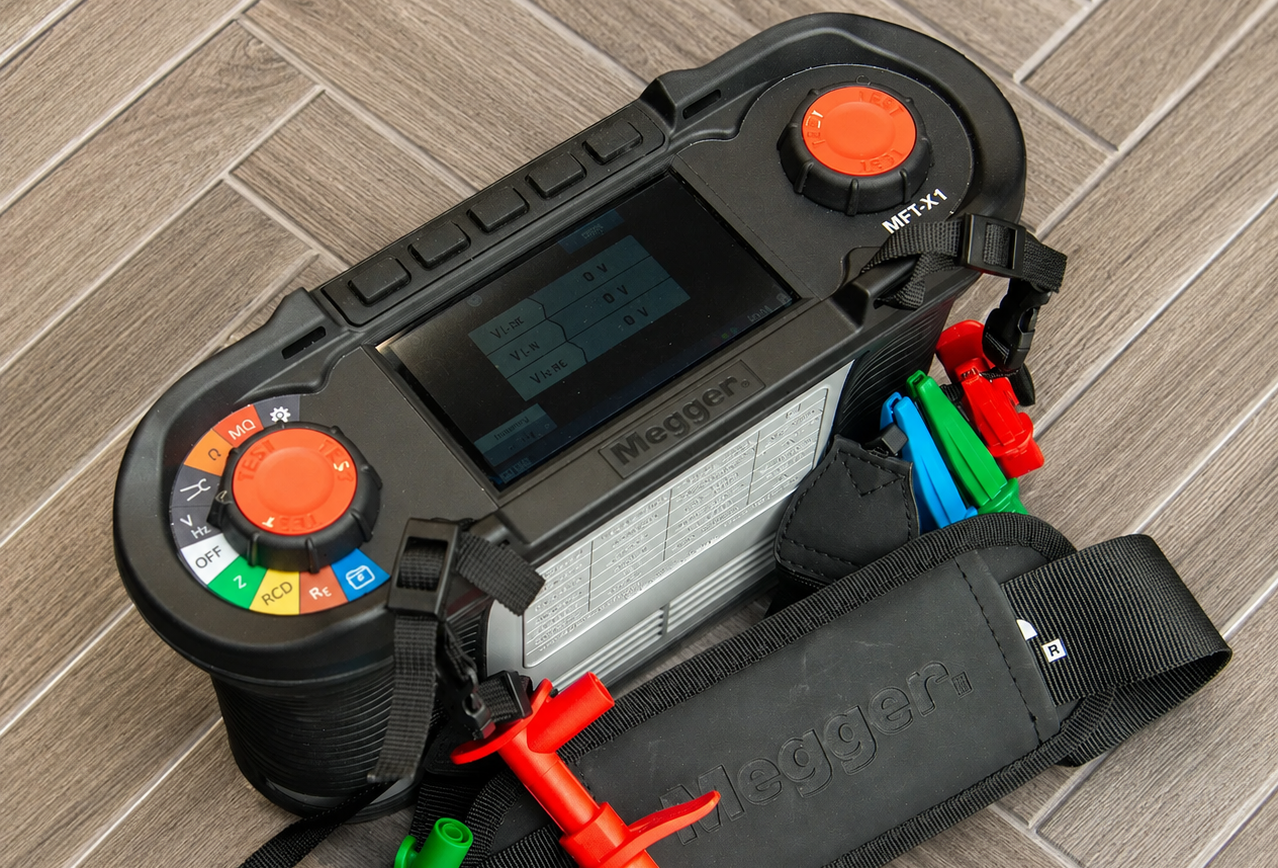
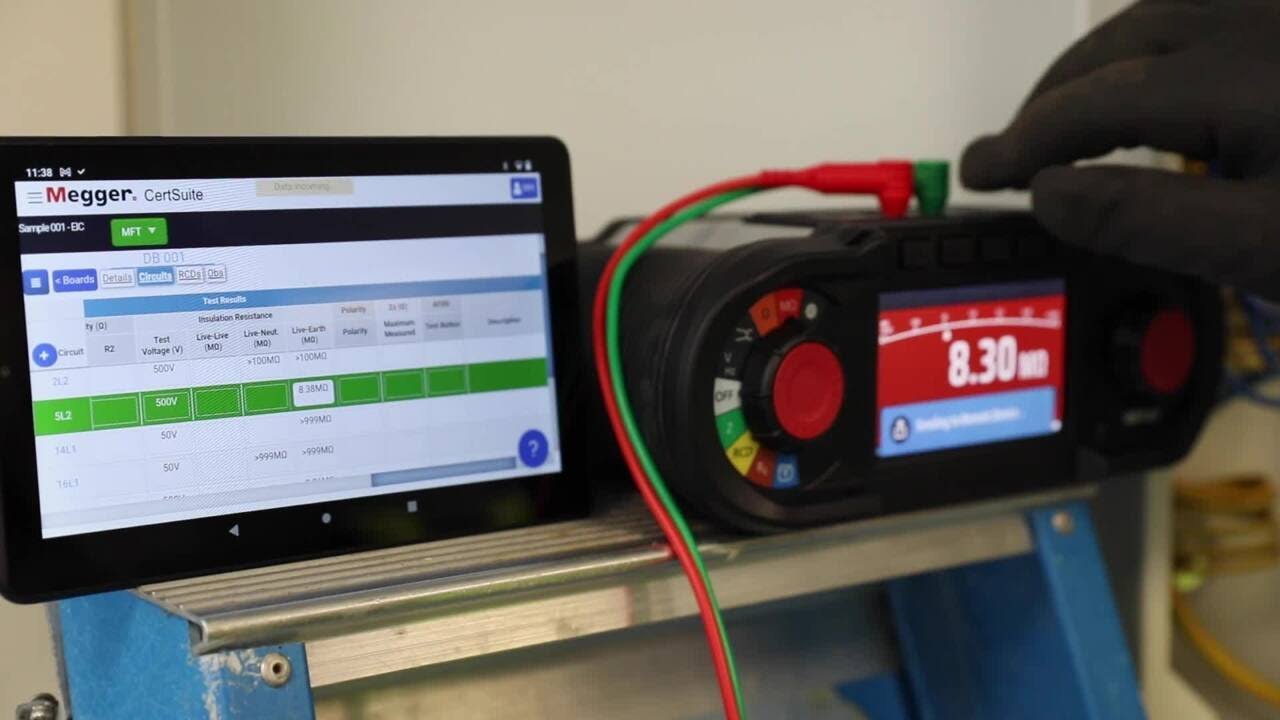
- Test before energising. Continuity, insulation resistance, polarity, loop impedance and RCD timing. And only then does the circuit go back into service.
The paperwork you should be handed
A single replaced or altered circuit gets a Minor Electrical Installation Works Certificate. A new circuit or a consumer unit change gets a full Electrical Installation Certificate. Where the work is notifiable under Part P of the Building Regulations, the building control notification is handled by us as part of the job.
Keep them. They are what a surveyor, an insurer or a buyer's solicitor will ask for, and reproducing them years later is considerably more trouble than filing them now.