Eighteen years, minimum
That is the floor rather than the average. It is a deliberate hiring position, not a happy coincidence, and it is the single thing that most changes how an emergency call goes.
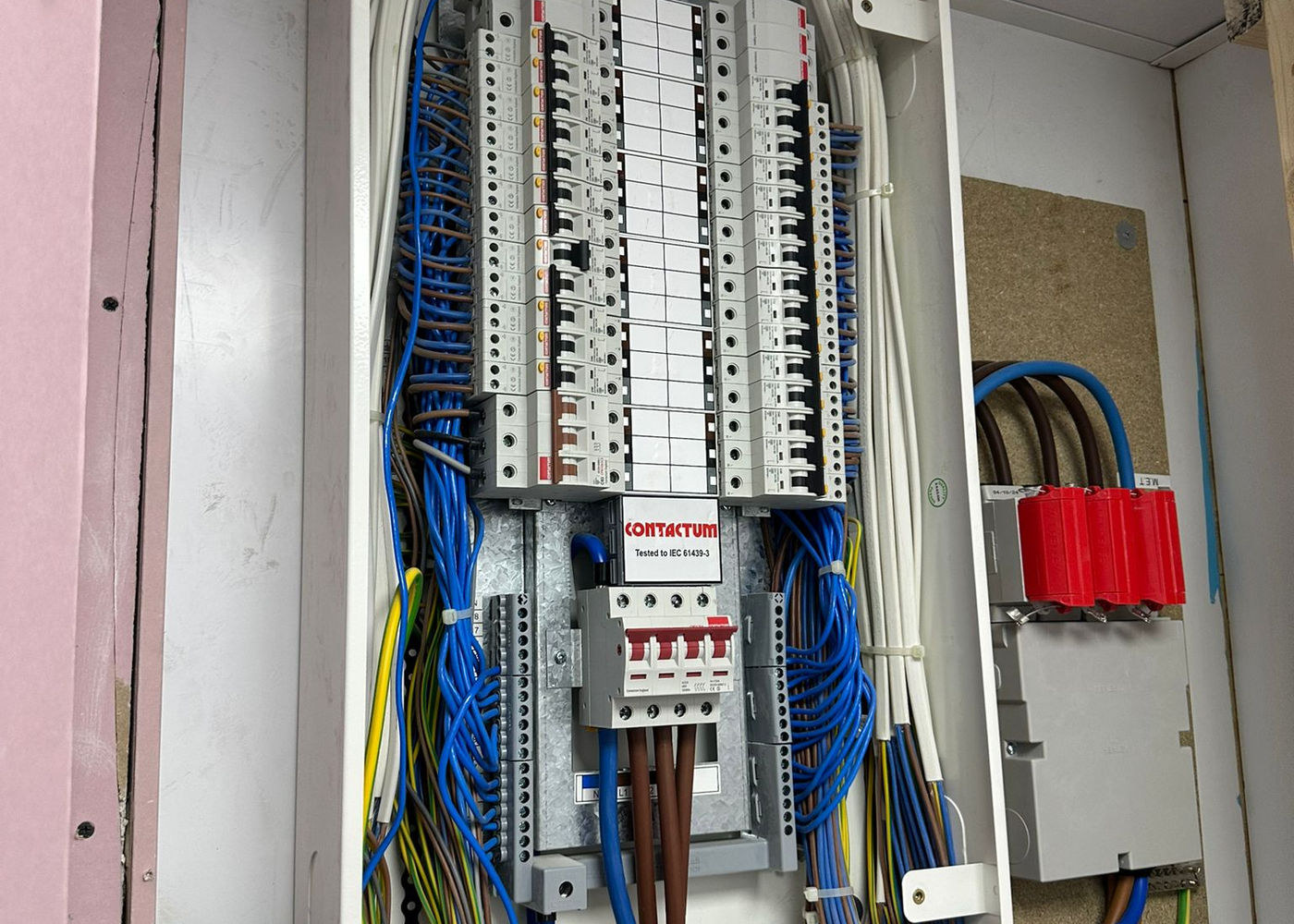
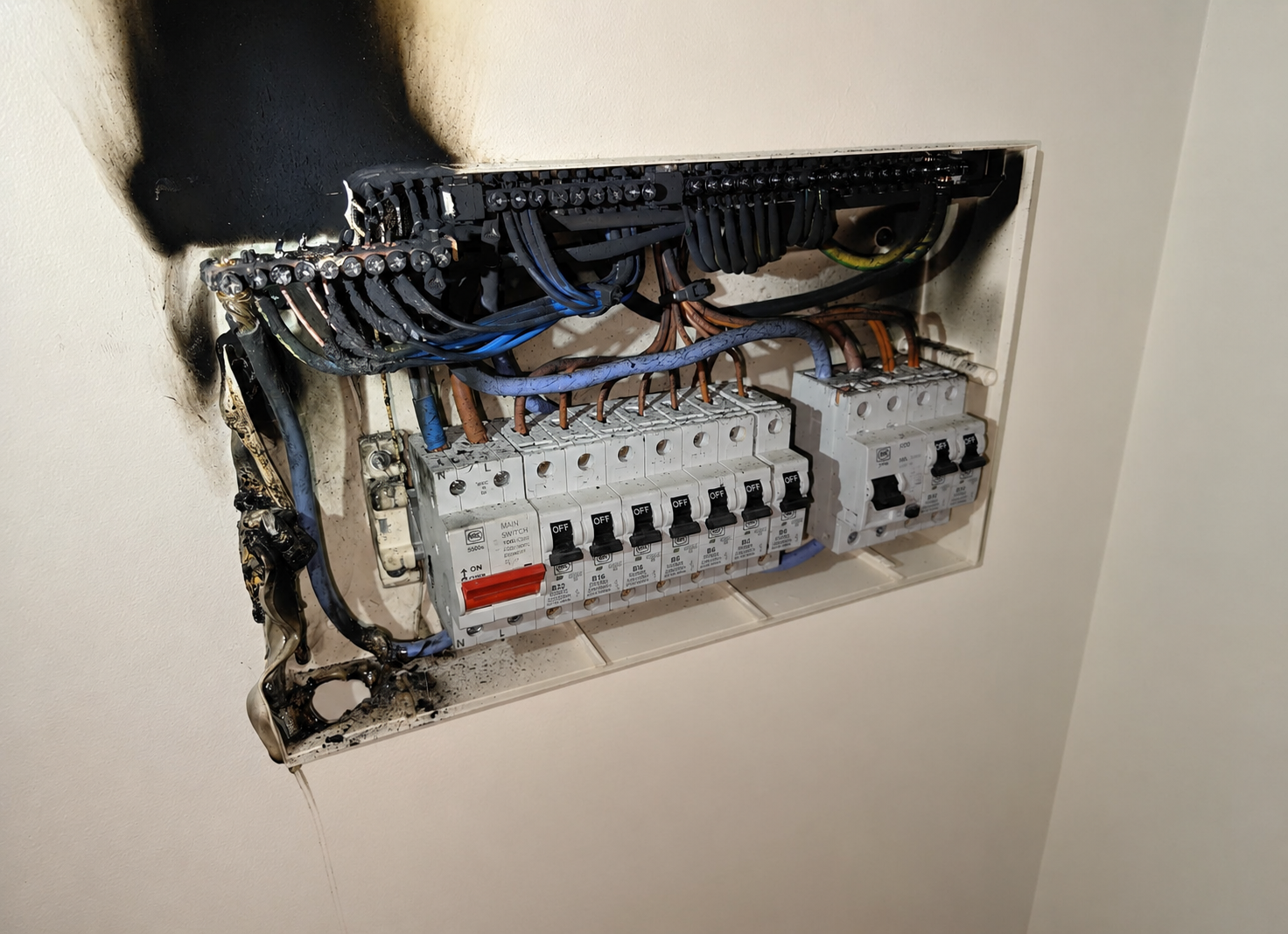
Experience is not a badge to put in a footer. It is having met this failure before. The borrowed neutral hiding behind a decade of alterations, the consumer unit that was never quite right from the day it went in, the shower element that leaks only under load and tests perfectly cold.
What it changes on site
- Speed of diagnosis. Recognising a pattern of readings takes seconds. Deriving it from first principles takes an hour, and you are the one paying for the hour.
- Knowing what not to touch. Older installations, listed buildings and much-extended properties all reward a careful hand and punish a confident one.
- Knowing when to escalate. Recognising when a job needs the distribution network operator, a structural opinion or a planned return rather than improvising at midnight.
- First-visit fixes. Most call-outs are settled on the first visit, which is the practical result of all of the above rather than a claim on its own.
Employed, not subcontracted
The person who arrives works for us. No apprentice attends unaccompanied, and we do not hand a busy night to whoever answers first on a trade board.
It matters more than it sounds. The guarantee, the certificate and the insurance all have to belong to the same firm you spoke to on the phone, and the moment work is subcontracted that stops being true.
Qualified as well as experienced
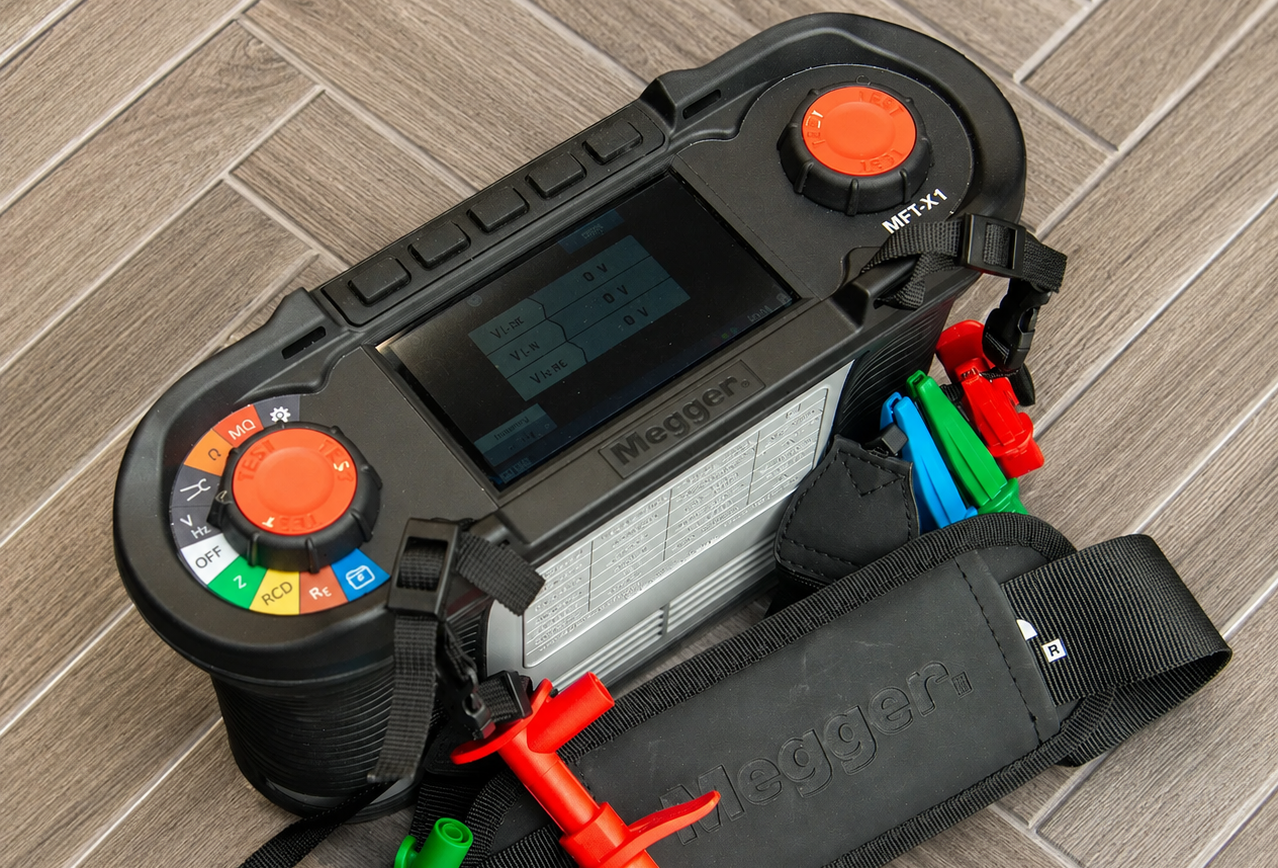
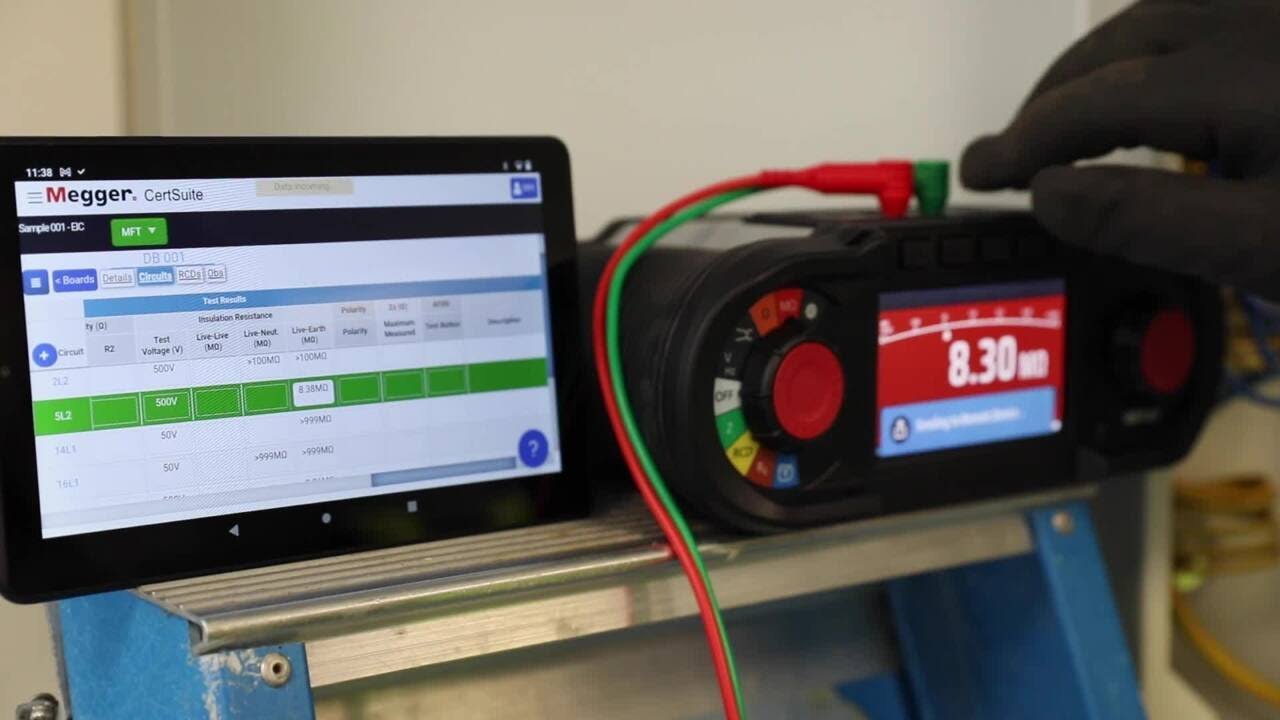
Registered under Part P of the Building Regulations for notifiable work, working to the current edition of BS 7671, testing with calibrated instruments, and issuing certification as a matter of course.
Experience without qualification is a liability. Qualification without experience is slow and expensive. The combination is the thing actually worth paying for, and it is why we do not compete on being the cheapest van in the county.