The ten signs, in order of how often we see them
- Frequent tripping that's become more common over recent months, without an obvious single cause.
- Warm plugs, sockets or switches during or after normal use. Anything that shouldn't run warm and does.
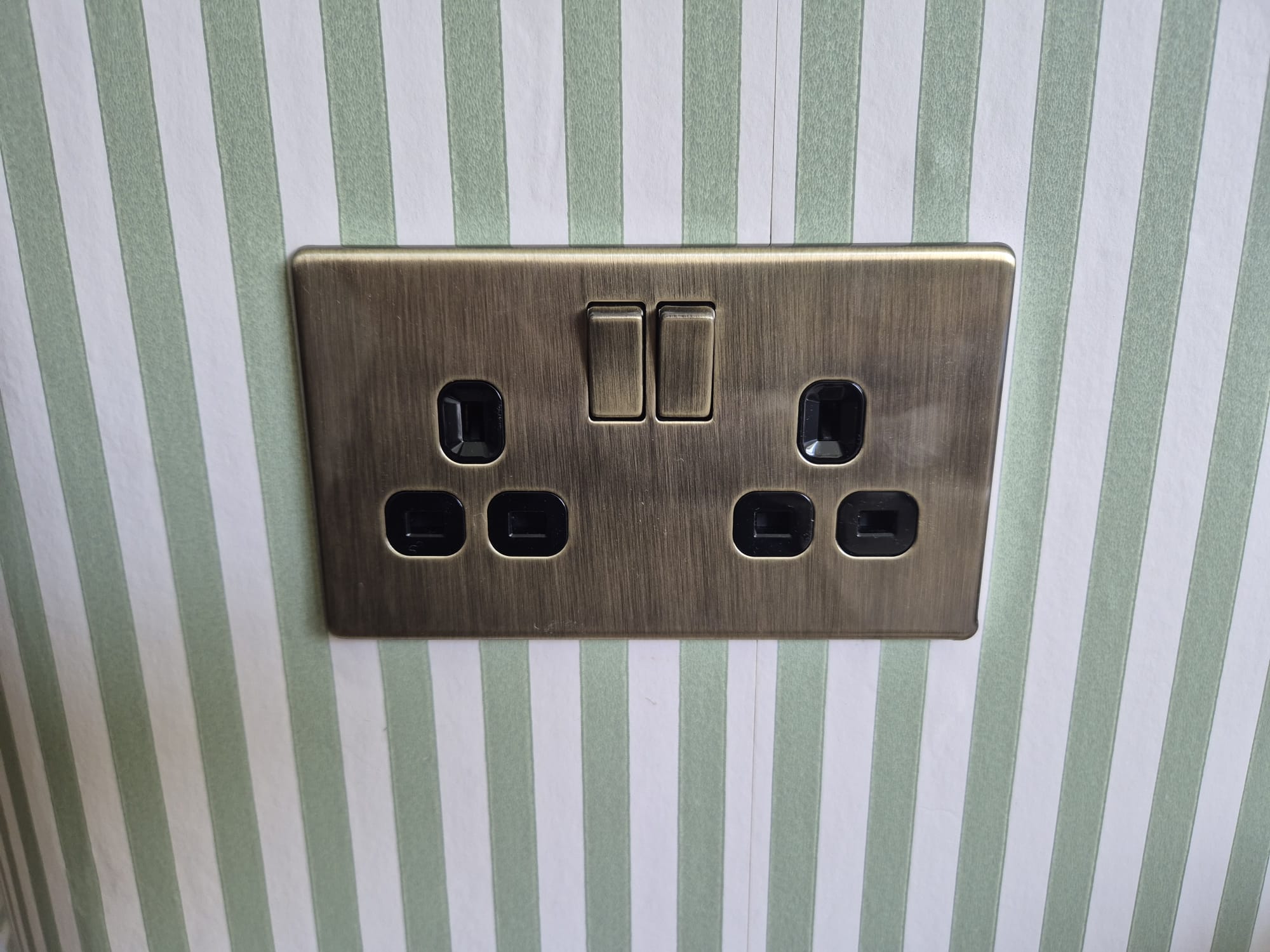
- Discolouration. Brown or black marks around a socket, switch, or plug, even faint.
- Burning or hot-plastic smells with no obvious appliance source.
- Buzzing, humming or crackling from sockets, switches or the consumer unit.
- Sparking beyond the brief, tiny flash of normal switch arcing.
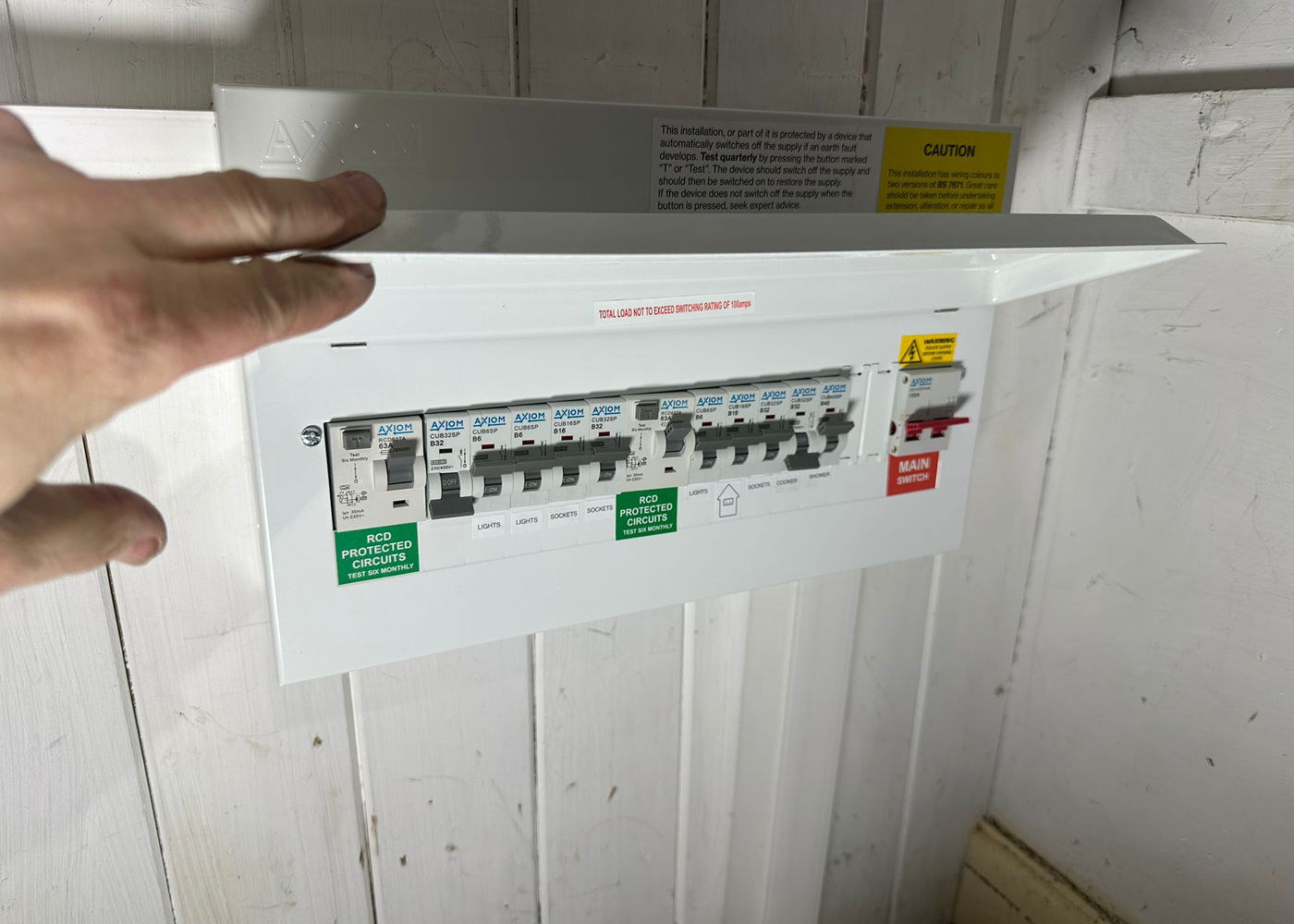
- A fuse-wire consumer unit, rather than modern switch-based breakers. Usually means no RCD protection at all.
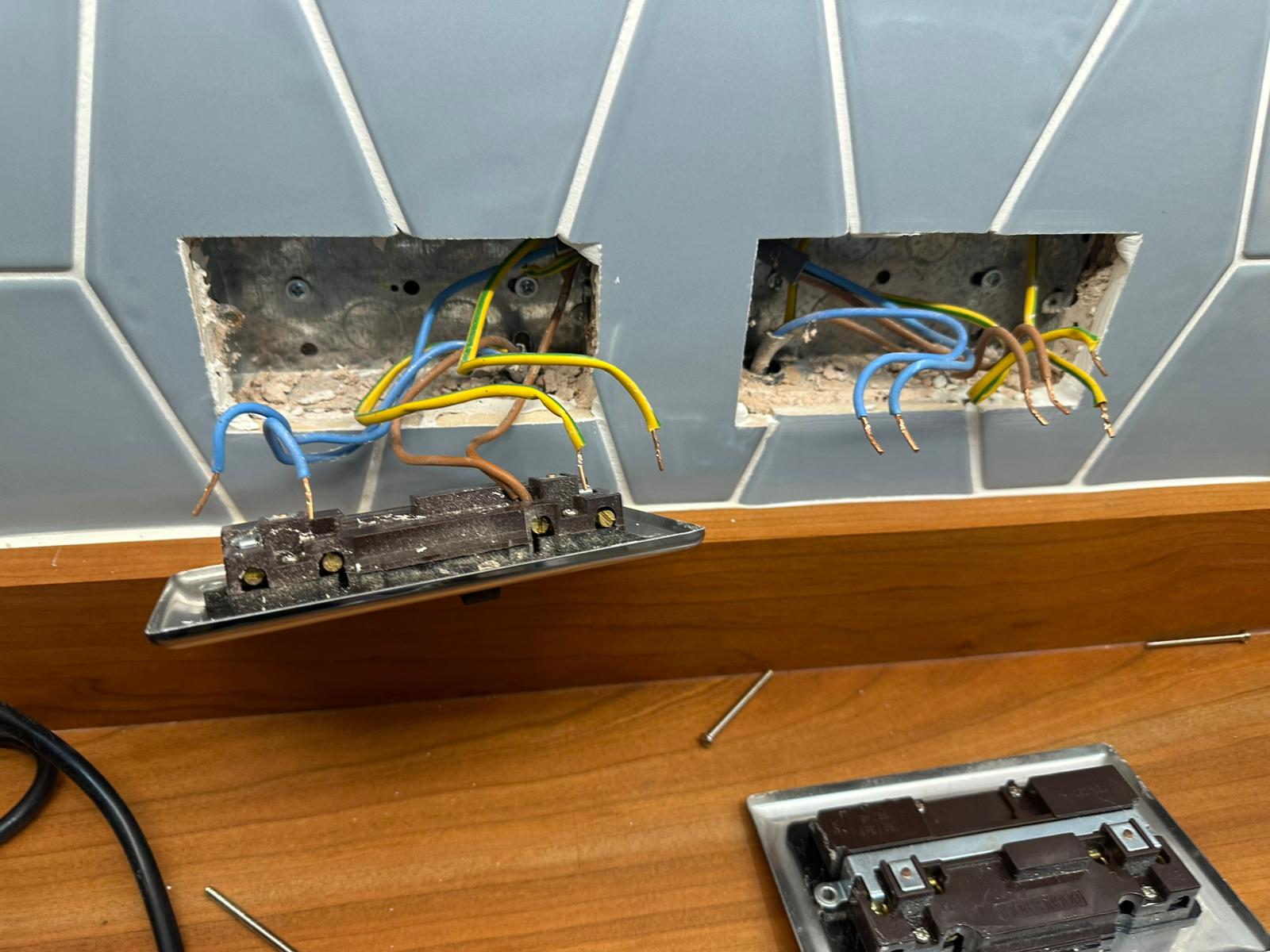
- Loose sockets or switches that move or wobble in the wall rather than sitting firm.
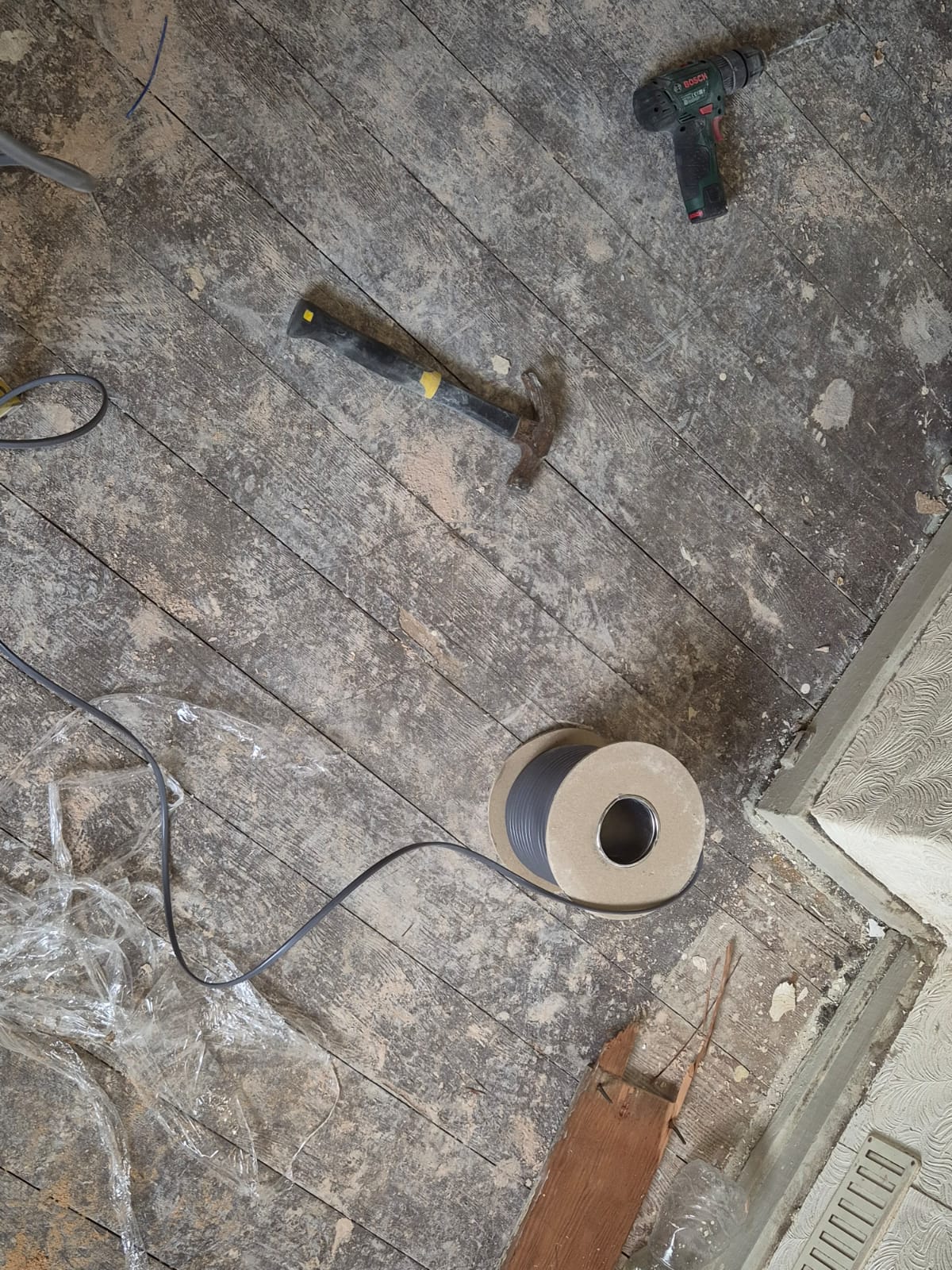
- Rubber or fabric-insulated cabling visible anywhere in the property, rather than modern PVC. A strong sign of wiring several decades old.
- No EICR on record, or one that's more than five years old, or one that came back with any coded observations you haven't addressed.
Why these often go unnoticed for years
Electrical deterioration is usually gradual, not sudden. A connection doesn't go from perfect to failed in one step. It loosens slowly, generates a little heat, generates a bit more, and the visible signs (warmth, faint discolouration, an occasional trip) build up slowly enough that they get explained away individually rather than recognised as a pattern. Most of the serious faults we're called out for have had warning signs for weeks or months beforehand.
One sign, or several together?
One sign on its own, especially something minor like a very faint hum, isn't automatically an emergency. But it's worth having assessed properly rather than assumed away. Two or more together, especially anything involving heat, smell, or an old fuse-wire board, moves this from ‘worth checking’ to ‘don't wait’. Trust the combination over any single sign in isolation.
What to do about it
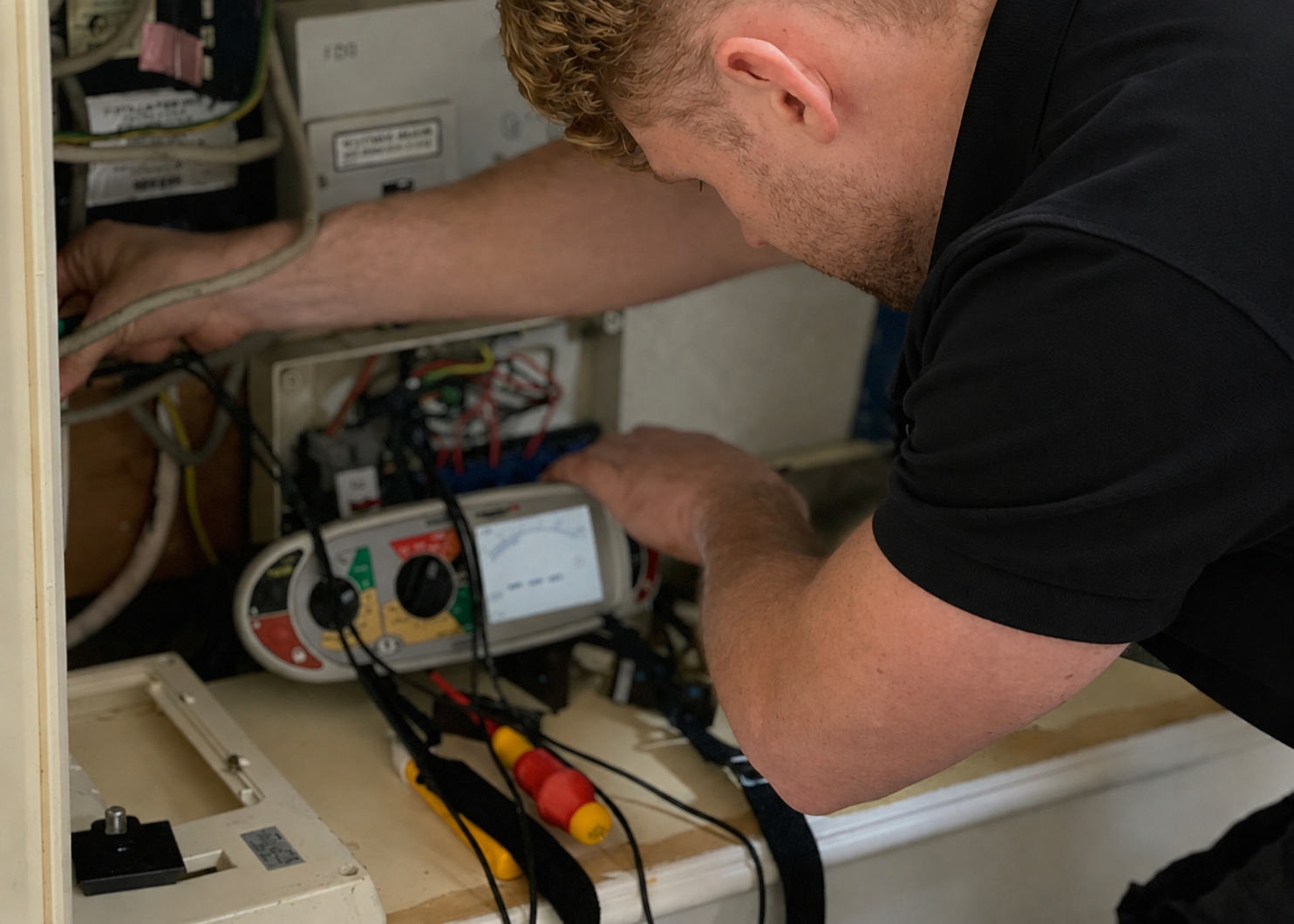
For any of the urgent, active signs. Heat, smell, sparking, buzzing. Isolate the circuit if you can and call us now. For the slower, structural signs. An old fuse-wire board, no recent EICR, visible old cabling. An Electrical Installation Condition Report is the right next step. It's a full, methodical assessment of your wiring against current safety standards, not a guess based on age or appearance, and it tells you exactly what, if anything, actually needs doing.
Common Questions
How old does wiring have to be before it's a concern?
Age alone isn't the deciding factor. Well-installed wiring from decades ago can still be sound, and poorly maintained recent wiring can already have problems. What matters is condition, not just date. An EICR assesses the actual state of the installation rather than relying on age as a proxy.
I'm buying a house. Should I get the wiring checked before I move in?
Strongly worth it, and it's standard advice for good reason. A property's wiring history often isn't visible or disclosed in the sale process, and an EICR before or shortly after moving in gives you a clear, documented picture of exactly what you've bought. And a baseline for anything that needs addressing.
Does a rewire always mean ripping up walls and floors?
Not necessarily the whole property, and not always as invasively as people expect. Depending on what's actually found, work can sometimes be targeted to specific circuits or areas rather than a full strip-out. We'll always explain the actual scope needed for your property rather than defaulting to the biggest job.
Can an EICR find problems that aren't visible?
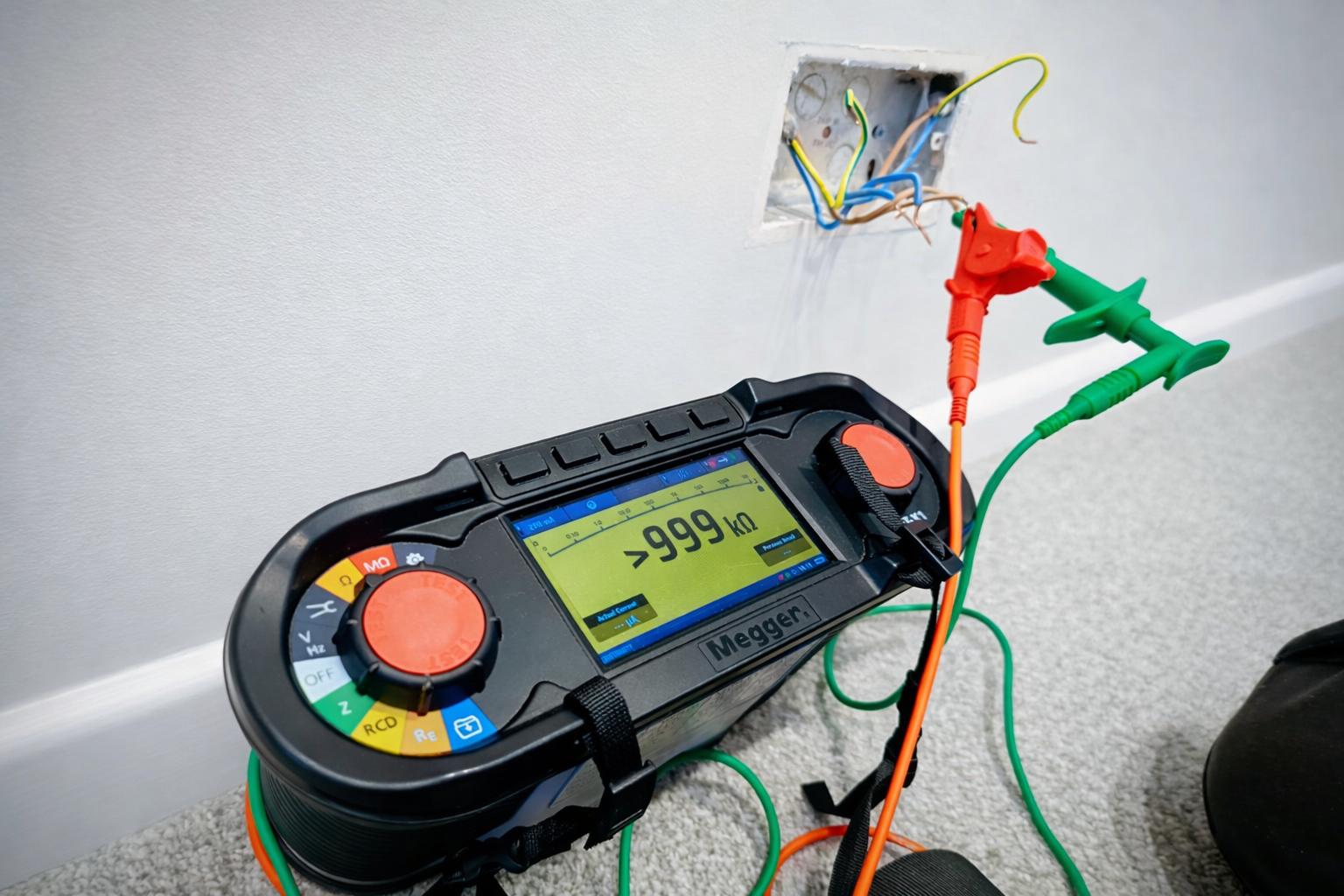
Yes, that's largely the point of it. Insulation resistance, earth continuity and loop impedance testing find deterioration inside cables and connections that show no outward sign at all. Many of the most serious issues we find on an EICR were completely invisible to the homeowner beforehand.
What's the single biggest red flag on this list?
A fuse-wire board with no RCD protection, combined with any of the physical signs. Discolouration, warmth, or an unusual smell. On its own, an old board might just be old. Paired with a physical sign of stress, it's the combination that means don't wait.