What an EICR actually involves
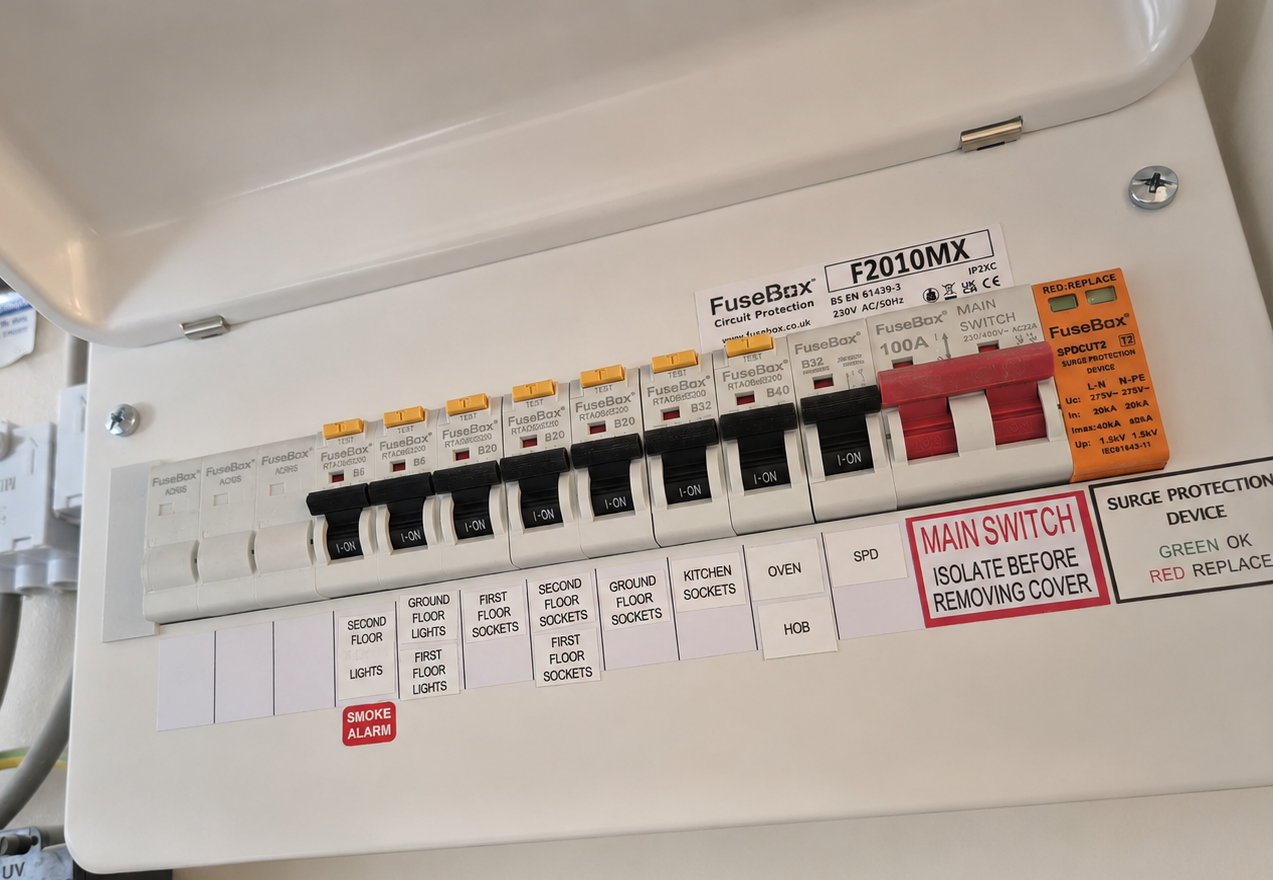
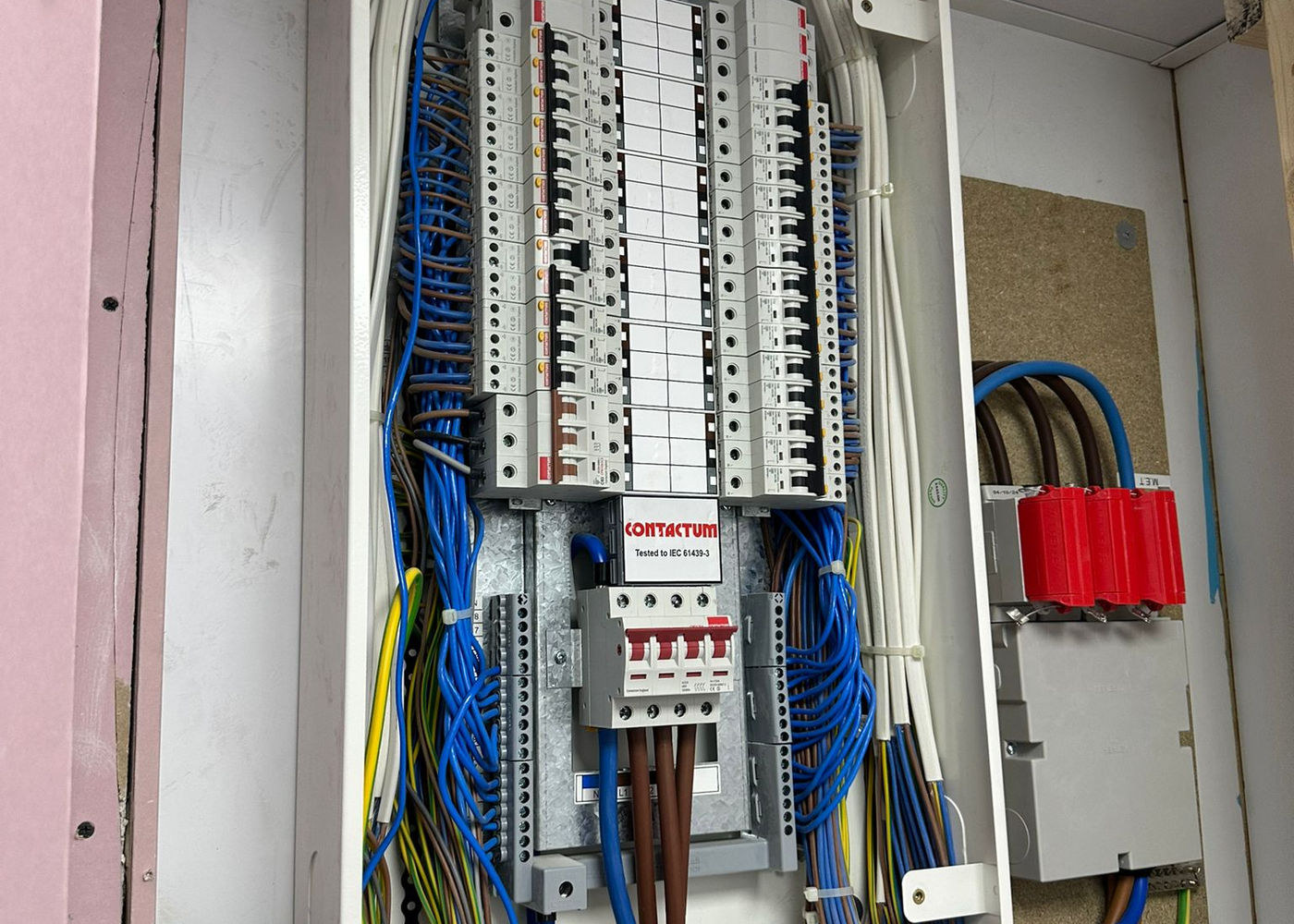
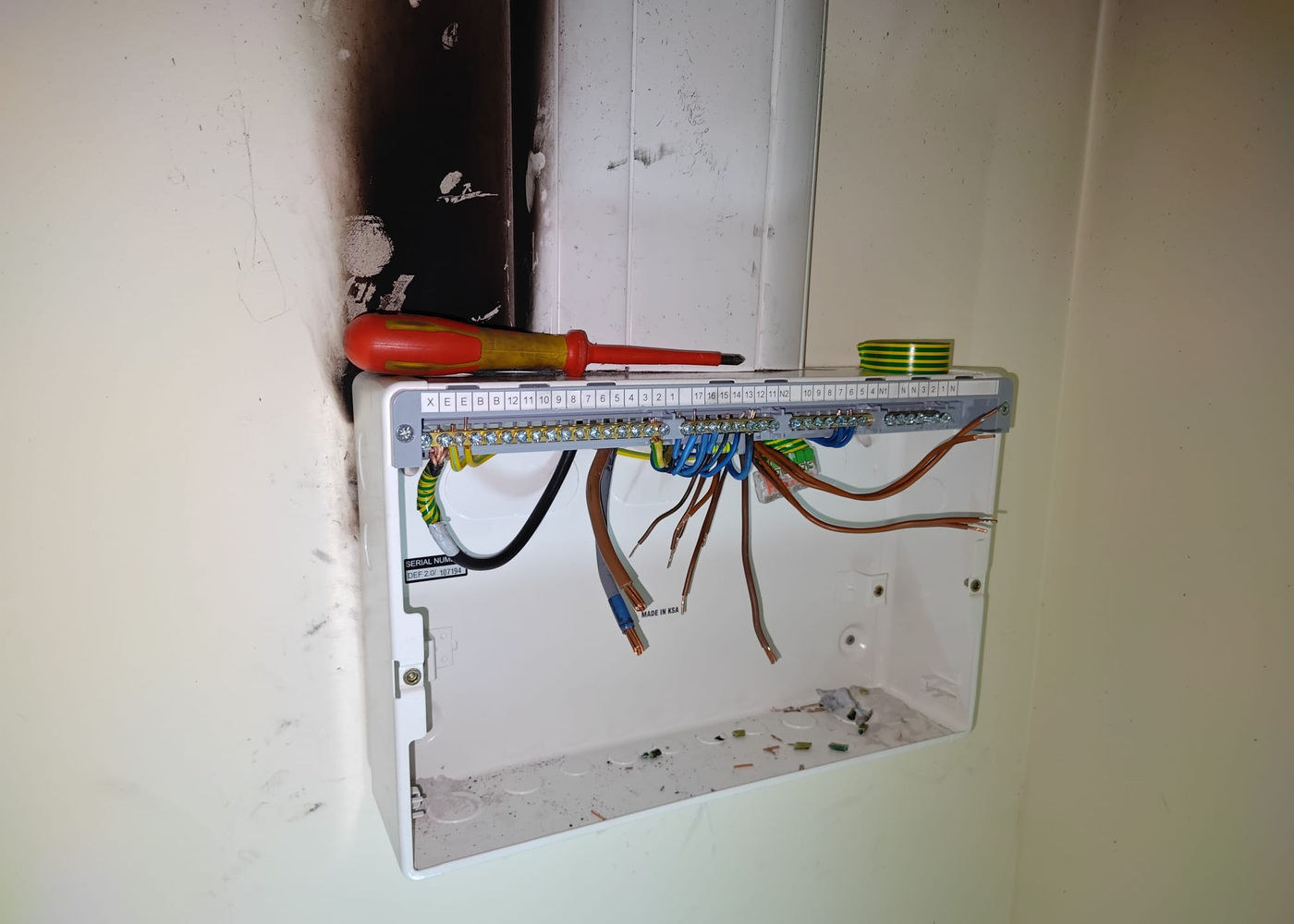
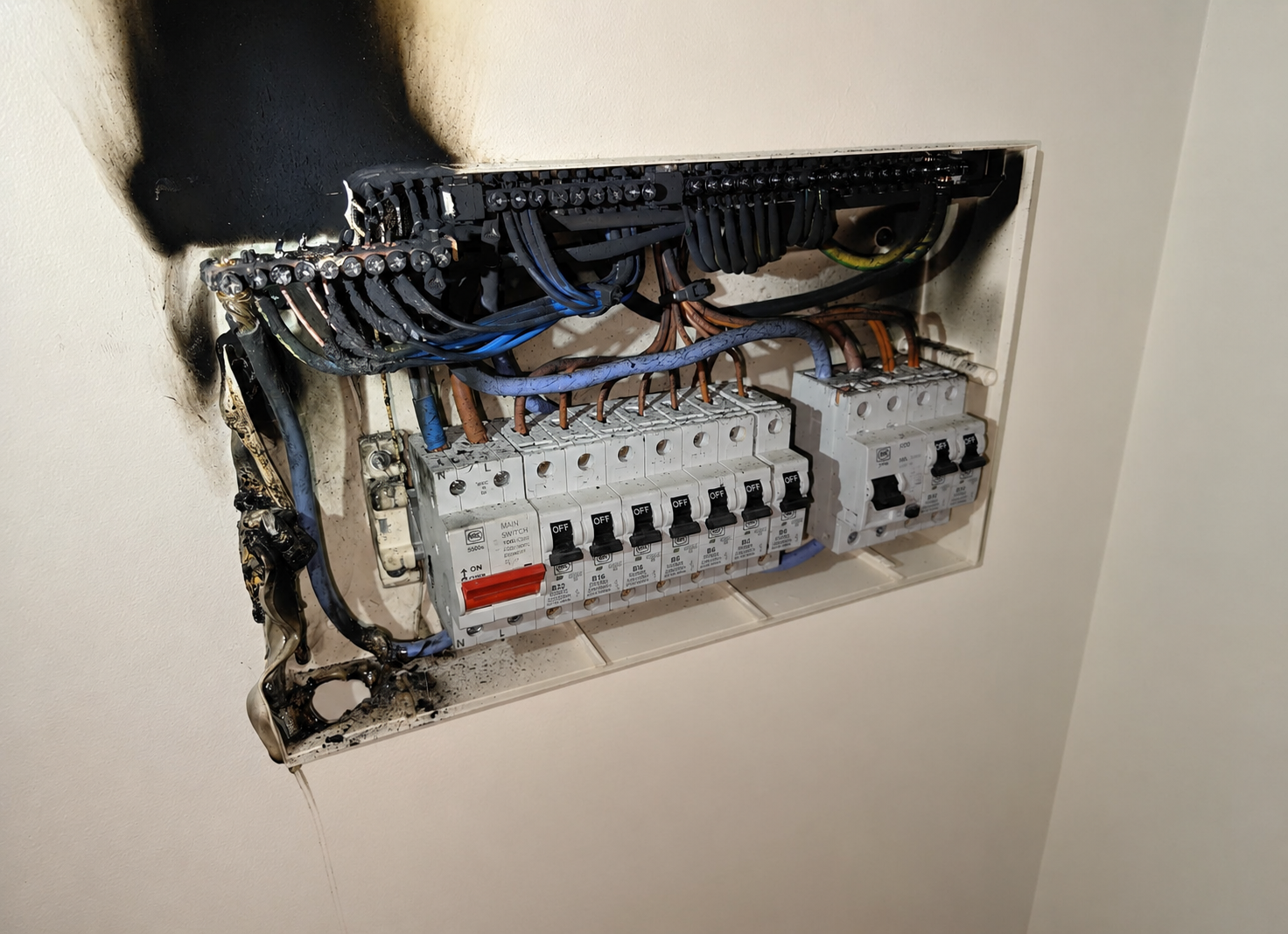
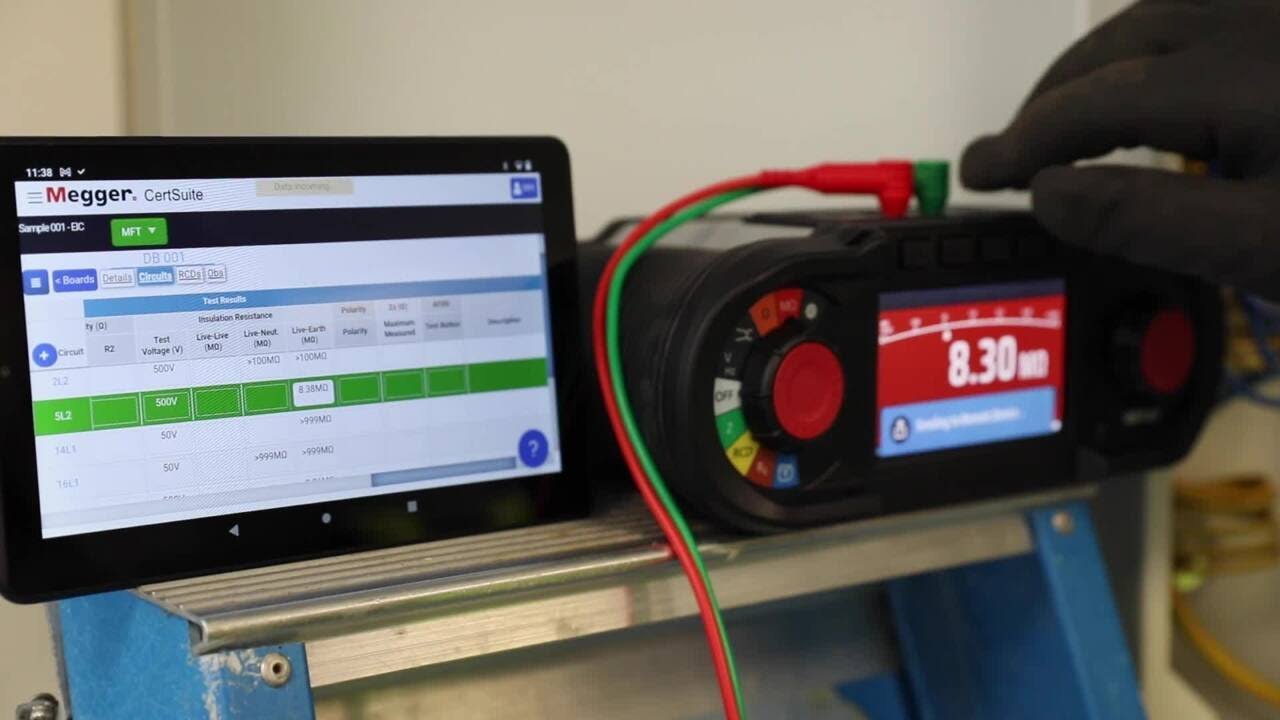
An Electrical Installation Condition Report is part inspection, part measurement. The visual side covers what can be seen without dismantling the building: the condition of the consumer unit, accessories, visible cabling, earthing and bonding, and any obvious DIY. The testing side is where the value is.
- Continuity of protective conductors: proving every earth actually goes somewhere.
- Ring final circuit continuity. Finding breaks and interconnections in ring circuits.
- Insulation resistance. Measuring how well the cable insulation is still doing its job.
- Polarity. Confirming live and neutral haven't been crossed somewhere.
- Earth fault loop impedance (Zs). Proving a fault would actually trip the protective device fast enough.
- RCD operation: timed at rated and five-times-rated current.
A sample of accessories is opened and inspected. On a typical three-bedroom house the whole thing takes around three to four hours; larger or older properties, and anything commercial, take longer.
Making sense of the codes
This is where most reports lose people, so here it is plainly.
- C1: danger present. Risk of injury now. Exposed live parts, for instance. We make it safe on the spot and tell you immediately.
- C2: potentially dangerous. Not dangerous this second, but it will be if a second thing fails. A missing earth on a lighting circuit is the classic. Needs remedying.
- C3: improvement recommended. Not dangerous and not a fail. Older but serviceable equipment often picks these up. You are not obliged to act on them.
- FI: further investigation required. Something the test results suggest needs digging into beyond the scope of the inspection.
A report is unsatisfactory if it contains any C1, C2 or FI. C3s alone still give you a satisfactory report. A point that's often misunderstood, and occasionally exploited to sell work that isn't needed.
Landlords: what the law asks of you
Since 2020, private landlords in England have had to have the electrical installation in rented property inspected and tested at least every five years, and to give tenants a copy of the report. New tenancies need a valid report before the tenant moves in. Where a report comes back unsatisfactory, remedial work has to be completed within 28 days. Or sooner if the report specifies it, and written confirmation supplied.
We work with landlords and letting agents across Sussex and Kent, arrange access directly with tenants, and send the report and any remedial quote the same day. If you need a landlord electrical safety certificate, an EICR for a rented property, or a five year electrical check, that's this.
Homeowners, buyers and businesses
You're not legally required to have one as an owner-occupier, but there are sensible moments: buying a property, particularly anything that hasn't been rewired since the 70s or 80s; before a major renovation; after building work by someone whose paperwork never turned up; or simply when you notice the fuse box has a wooden back and rewireable fuses in it.
For commercial premises an EICR is generally expected every five years, and every three for some higher-risk environments. Insurers increasingly ask to see one, and so do many commercial landlords.
Who carries out your inspection
An EICR is only as good as the person doing it. Every circuit is inspected and tested individually, findings are coded by severity rather than lumped together, and anything that affects safety is explained to you in plain terms before you decide what to do about it.
The inspecting electrician has a minimum of 18 years of practical experience, is registered under Part P and is fully insured. That matters on an inspection more than anywhere else, because the judgement calls are what separate a useful report from a list of everything that could theoretically be improved.
Testing is carried out with calibrated multifunction instruments and recorded on a full schedule of test results: insulation resistance, continuity, polarity, earth fault loop impedance and RCD disconnection times, all assessed against the current edition of BS 7671.
Common Questions
How often does a landlord need an EICR?
At least every five years for private rented property in England, and before a new tenancy begins. The report has to be given to tenants, and to the local authority within seven days if they ask for it.
What does a C2 mean on my report?
Potentially dangerous. It isn't an immediate hazard, but it would become one if something else failed, a missing earth, for example. C2s make a report unsatisfactory and need putting right.
My EICR came back unsatisfactory. What now?
The report will list each observation with its code. C1 items are made safe immediately; C1, C2 and FI items need remedying. As a landlord you have 28 days from the report, or less if it says so. We'll quote the remedial work itemised against the codes so you can see exactly what you're paying for.
Do I have to fix C3 items?
No. C3 is 'improvement recommended' and doesn't make a report unsatisfactory. Be wary of anyone insisting otherwise.
Will you need to turn the power off?
Yes, for parts of the testing. We'll agree timings with you beforehand, and for tenanted properties we let the tenant know what to expect so nothing important is running when we isolate.
How long does an EICR take?
Around three to four hours for a typical three-bedroom house. Older properties, larger homes and commercial premises take longer. We'd rather quote realistically than rush the testing.