How we tell urgent from routine
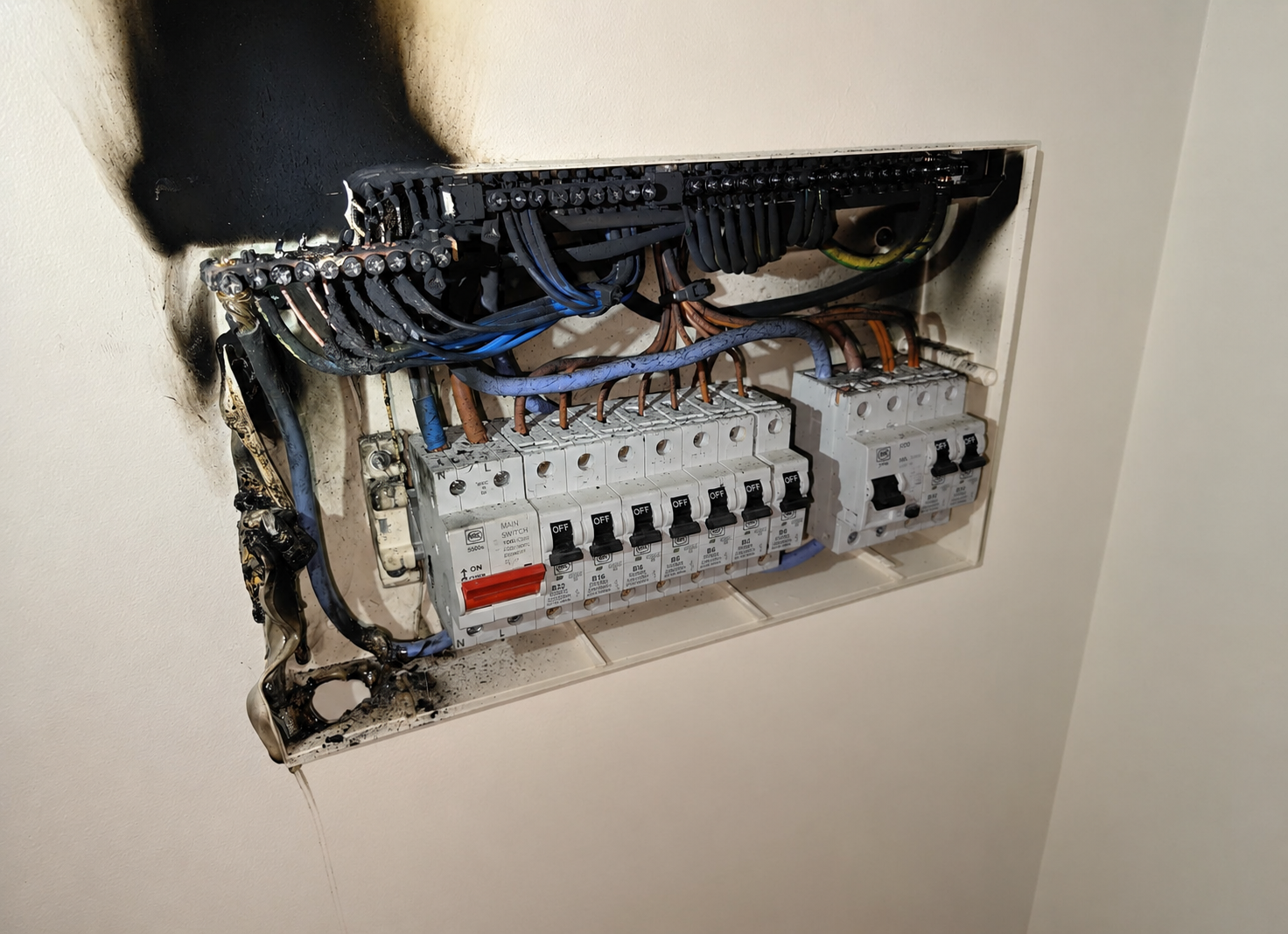
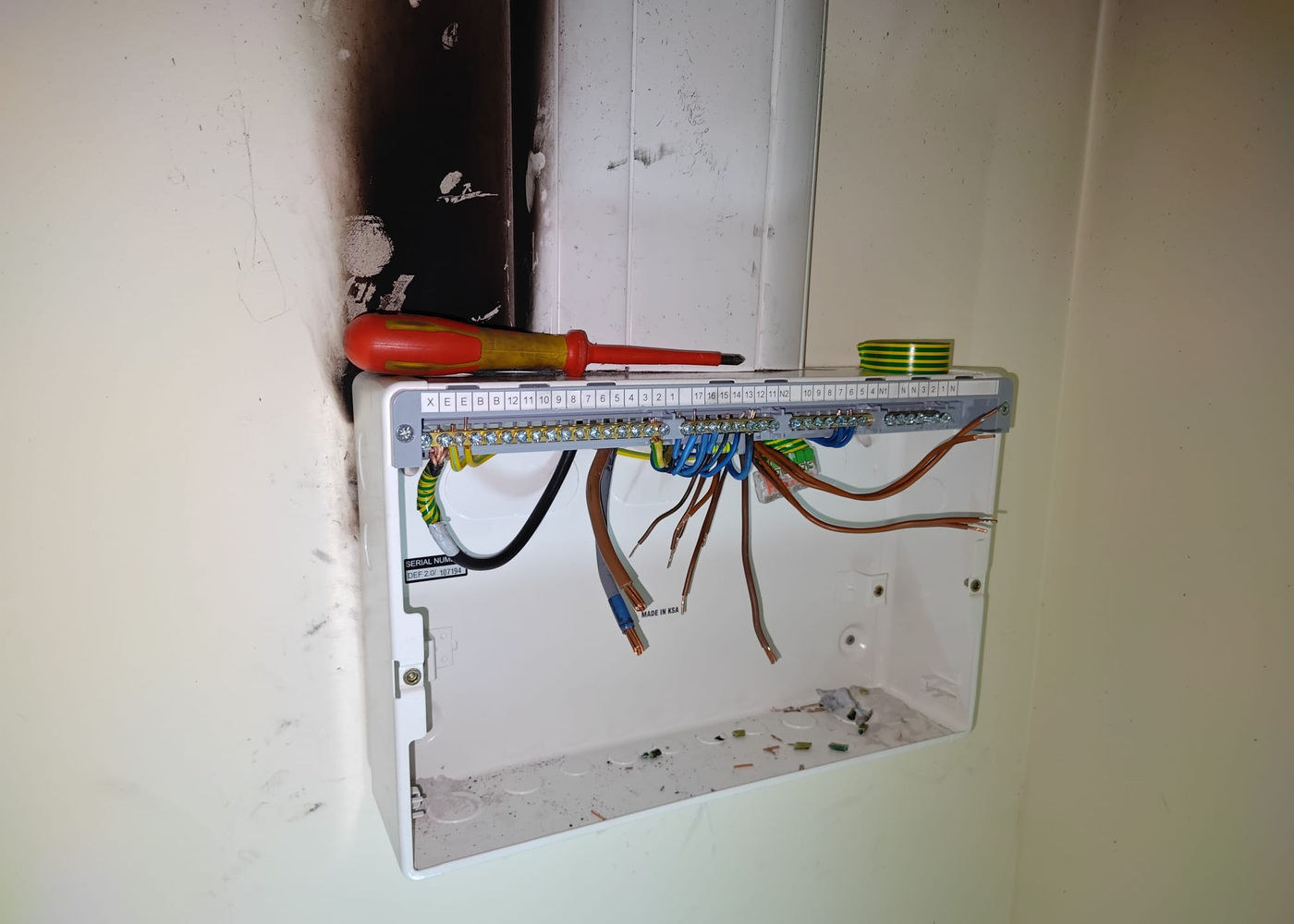
Everyone who rings thinks their problem matters, and most of the time they're right to be concerned. But not every fault carries the same risk if it waits a few hours. A burning smell, sparking, exposed wiring or a shock is genuinely urgent, whatever time it is. A socket that's been dead for a week with nothing else wrong usually isn't, and we'll say so rather than pretend otherwise to book a callout.
Two minutes of honest questions on the phone tells us which one we're dealing with, and tells you what to do either way.
Who gets moved up the list
Immediate danger comes first, always. After that, we prioritise households with young children, elderly residents, or anyone relying on powered medical equipment. Tell us if that applies to you, because it changes how we schedule the day. Everything else is worked through in the order it came in.
If we tell you it can wait
That's not a brush-off. If a fault genuinely isn't dangerous, leaving it a few hours costs you nothing and lets us reach someone whose situation is worse. We'll tell you what to watch for in the meantime and get you booked at the next realistic slot, usually the same day.
What it costs
There's no premium for the word "urgent" itself. Pricing depends on when the job actually happens, daytime, evening, or genuine emergency out of hours. You're told the figure before anyone sets off.
Fast, not rushed
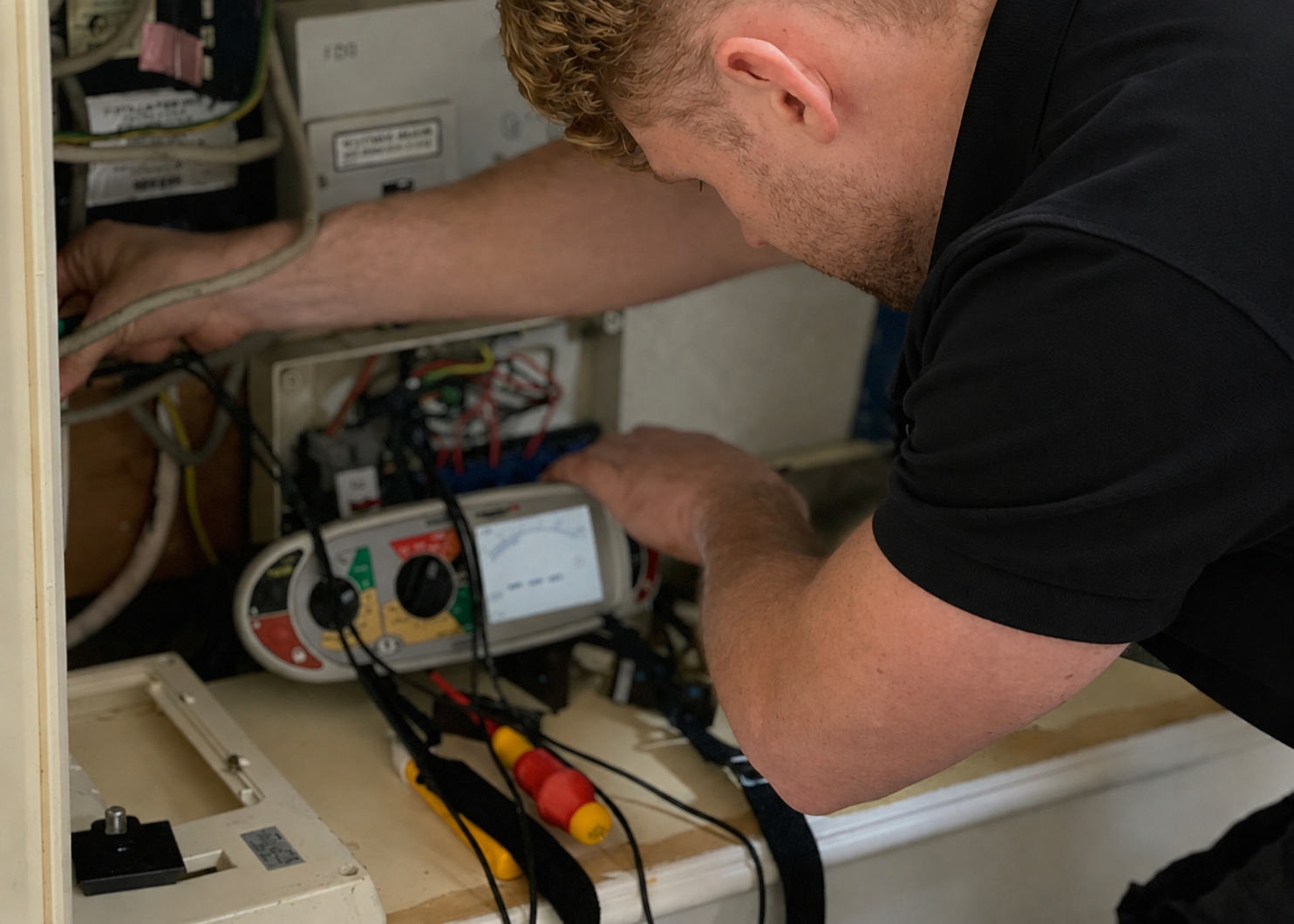
Being prioritised doesn't mean corners get cut. The supply is proved dead before anything is opened, the fault traced to its source, and the repair tested before the circuit goes back into service. On the fastest response of the day exactly as on the slowest.
Common Questions
What actually makes something urgent rather than routine?
Anything with a genuine risk if it's left. A smell, sparking, exposed wiring, a shock, or power loss affecting someone vulnerable. If none of that applies, it's probably fine to book rather than treat as urgent, and we'll tell you honestly which is which.
How do you decide who gets seen first?
Immediate danger first, then vulnerable occupants. Young children, elderly residents, anyone on powered medical equipment. Then everything else in the order it came in.
I've called and been told it's not urgent enough for tonight. What now?
We'll tell you what to do in the meantime and get you booked in at the next realistic slot, usually the same or next day. Being told it can wait isn't being fobbed off, it's an honest assessment.
Does calling it "urgent" cost extra?
No premium just for using the word. Pricing depends on when the work actually happens. Daytime, evening, or genuine emergency out of hours. And you're told the figure before anyone sets off.
How quickly can an urgent job be attended?
Genuinely dangerous faults get a typical arrival of 30 to 90 minutes. You're given an actual time window, not a vague promise.